
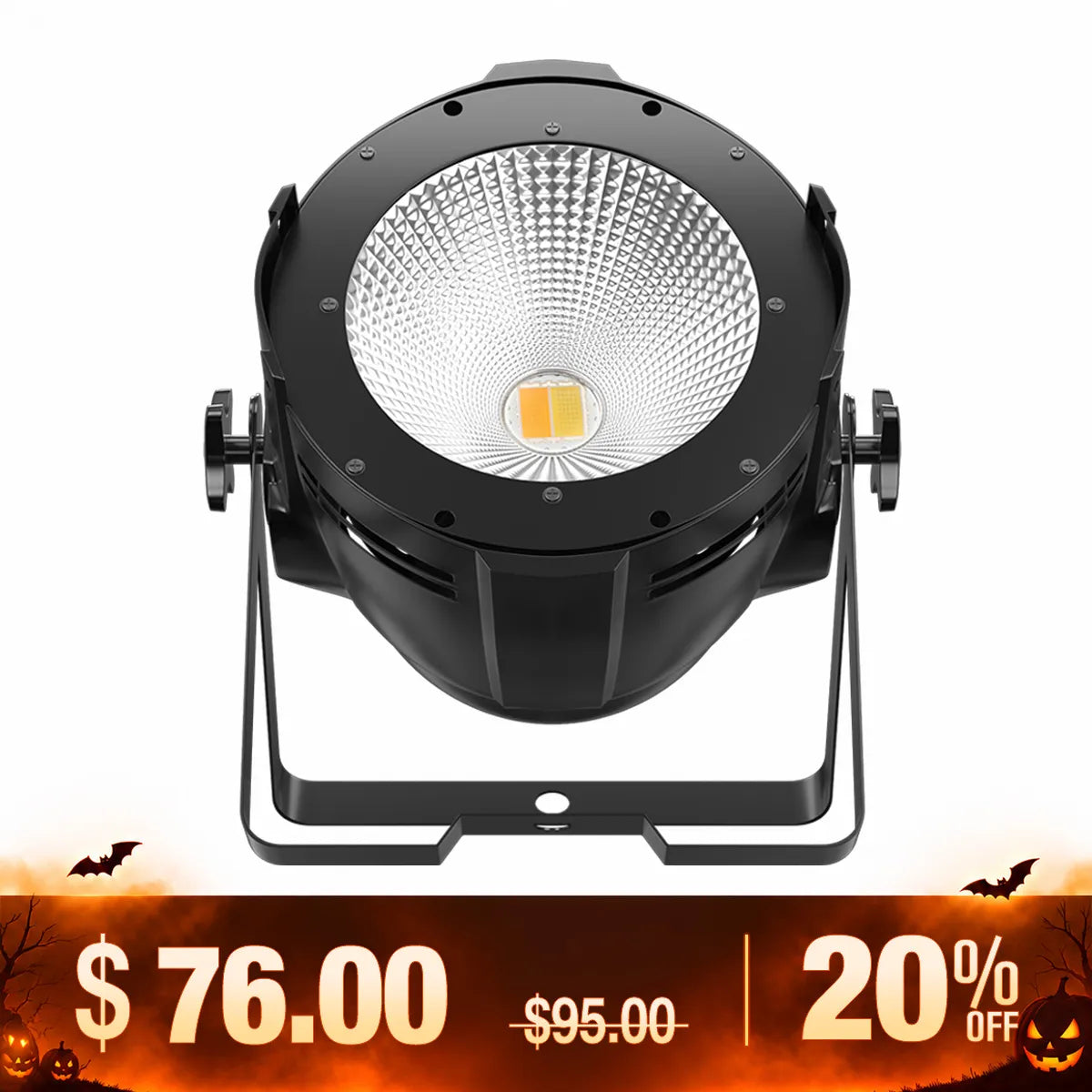
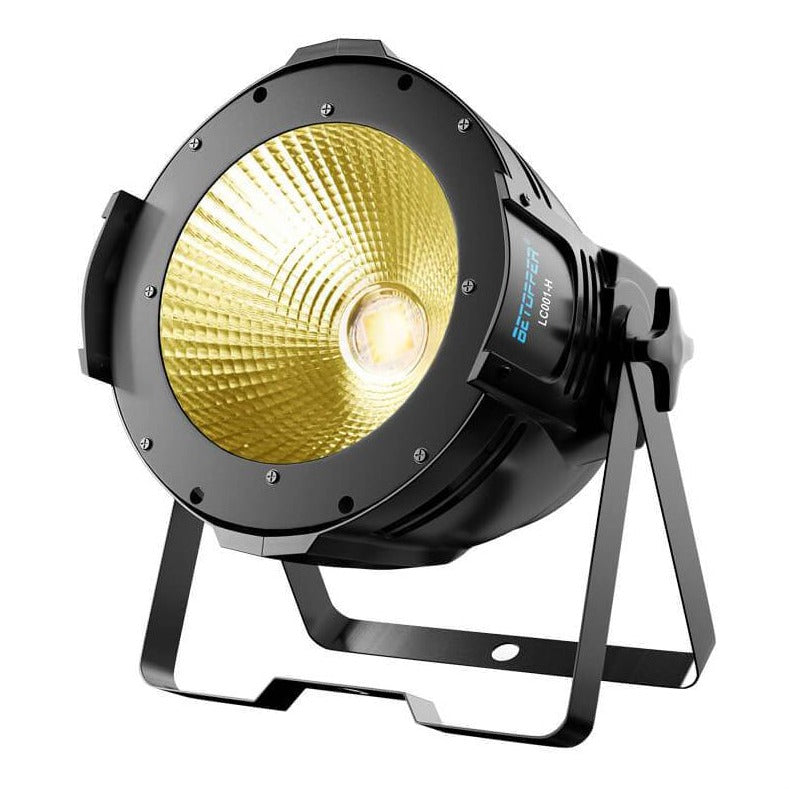
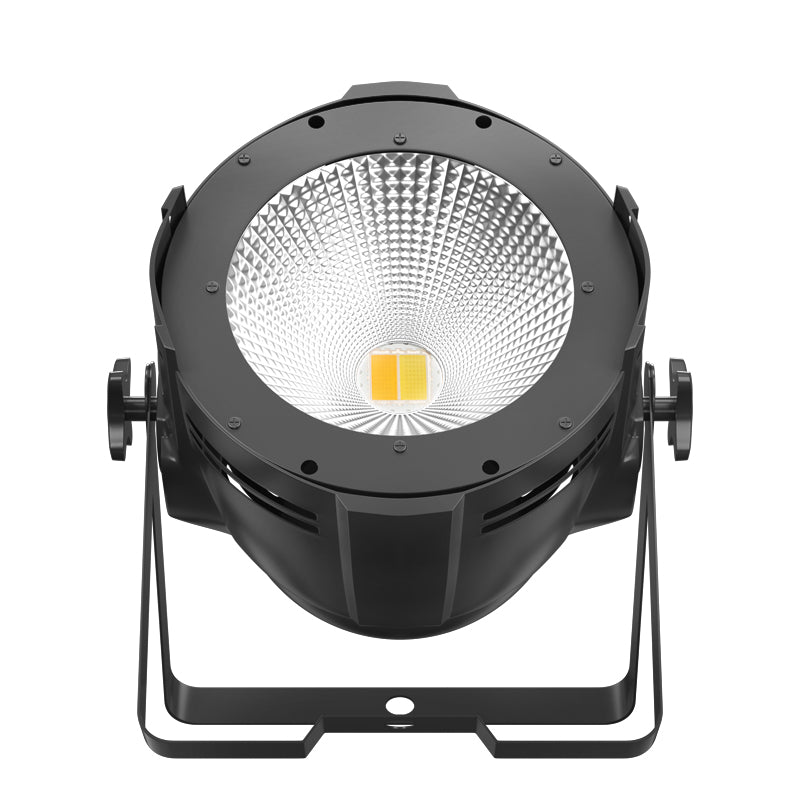
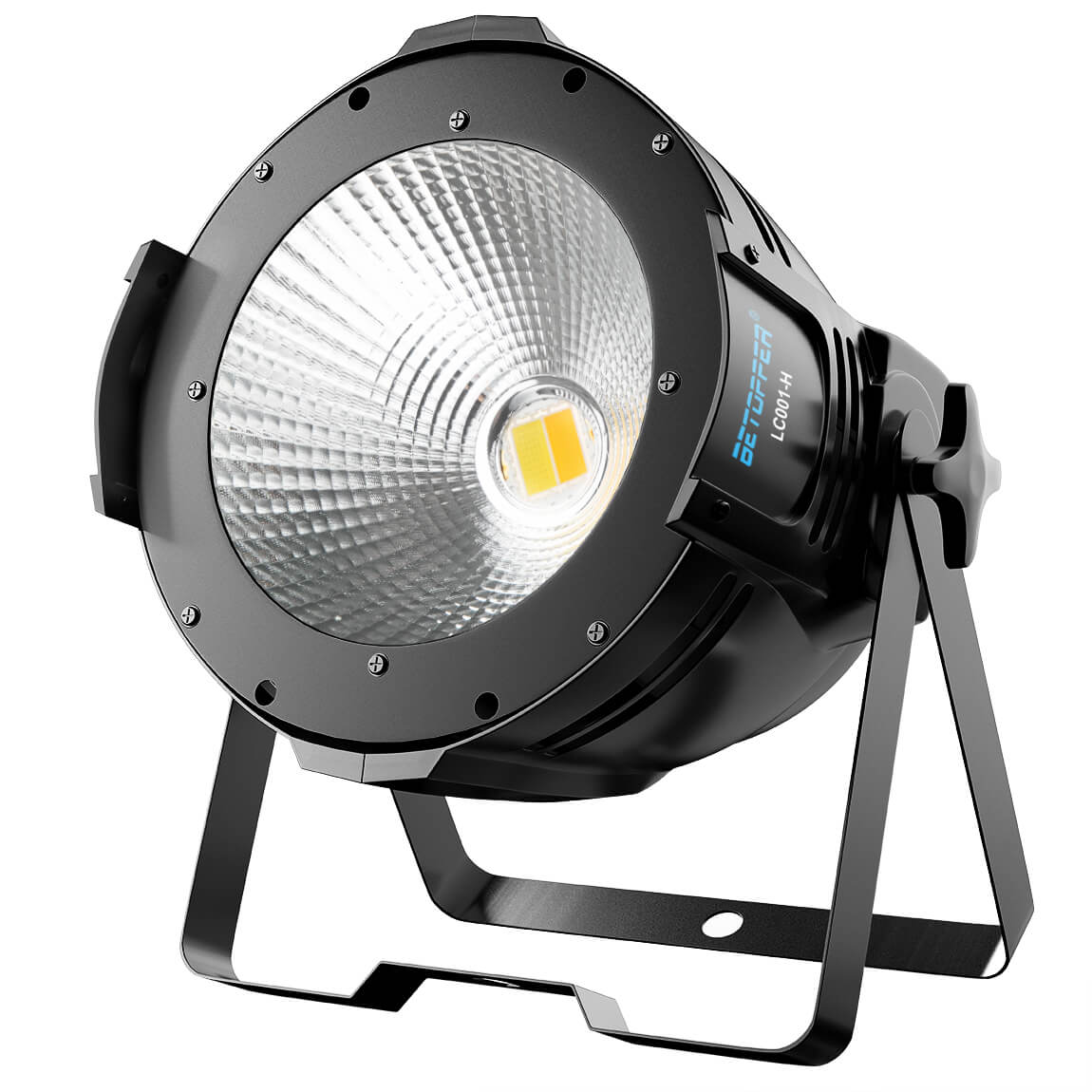
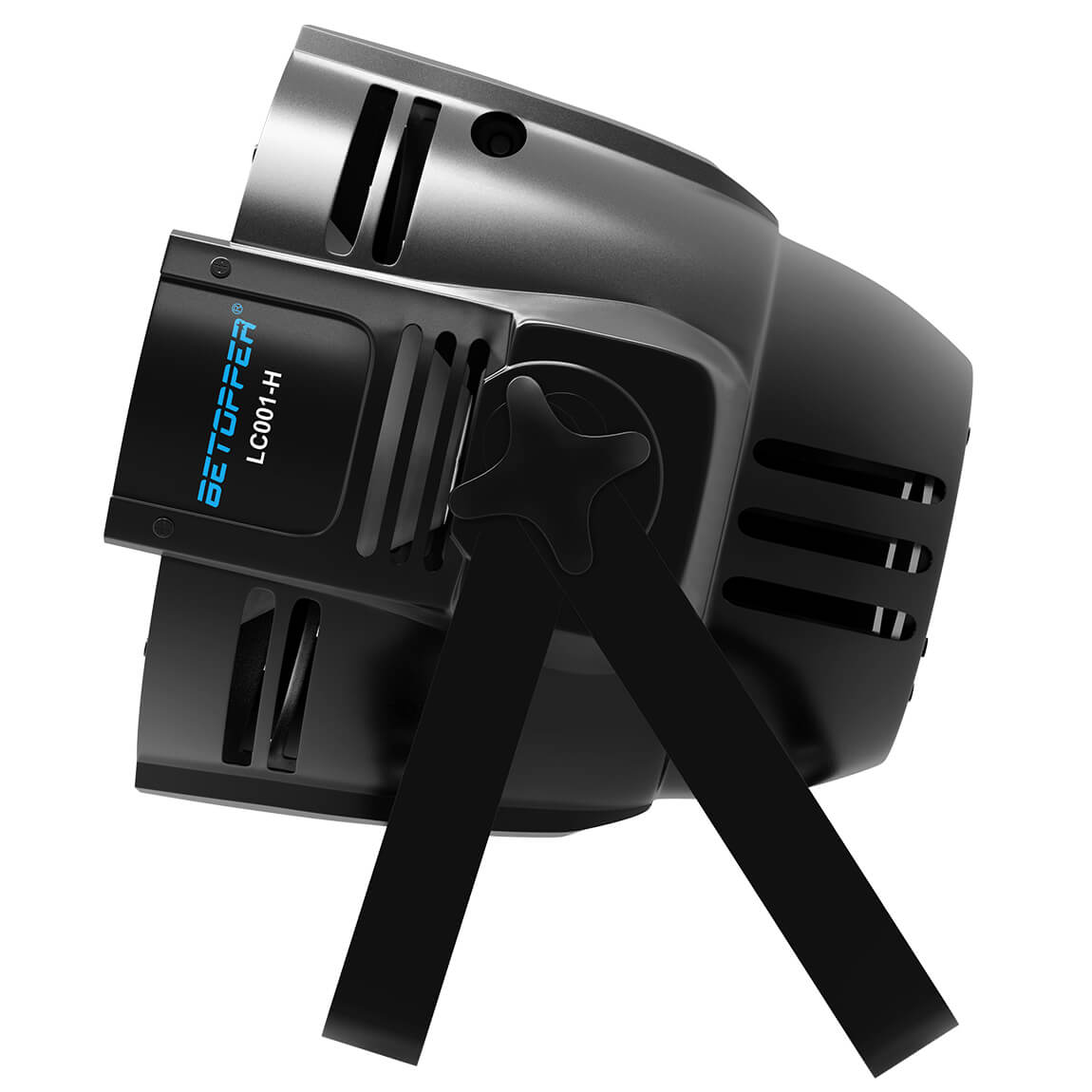
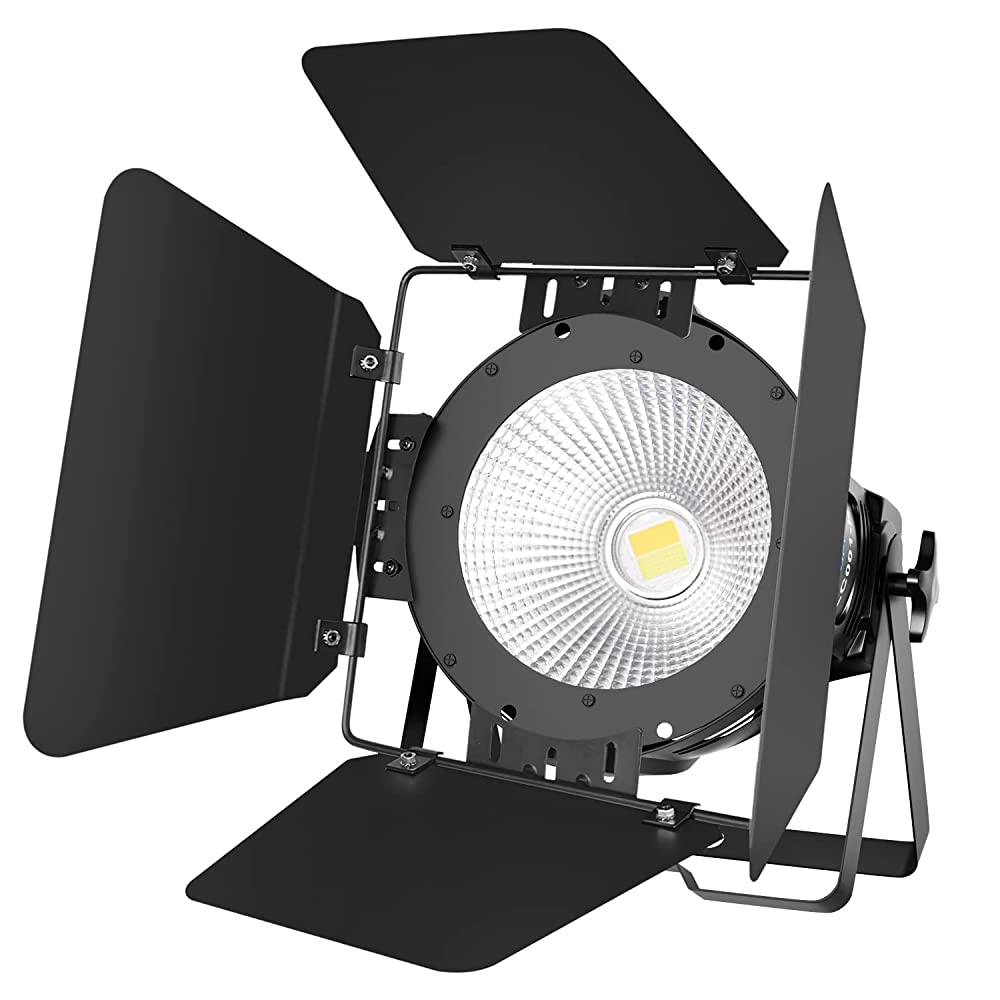
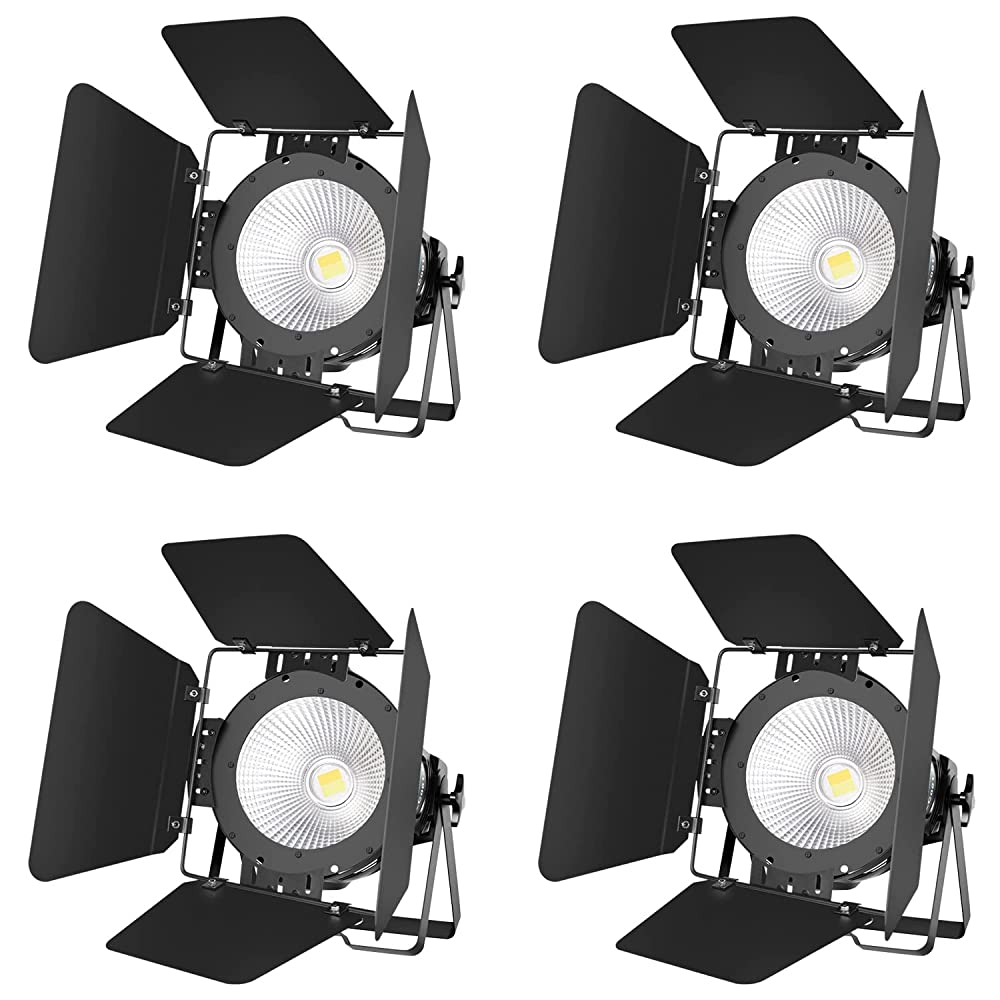
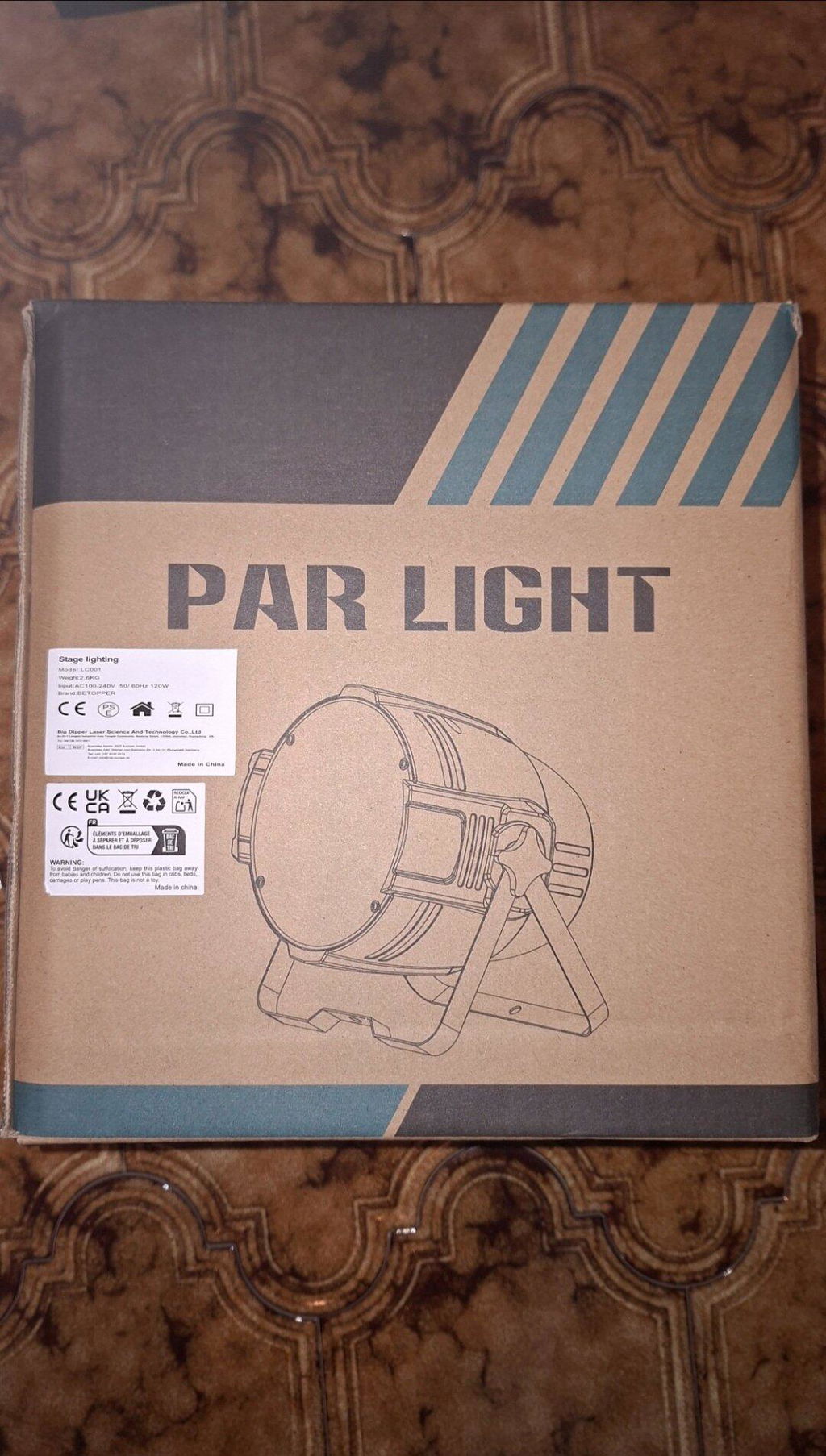
Betopper LC001-H 100W COB LED PAR Licht


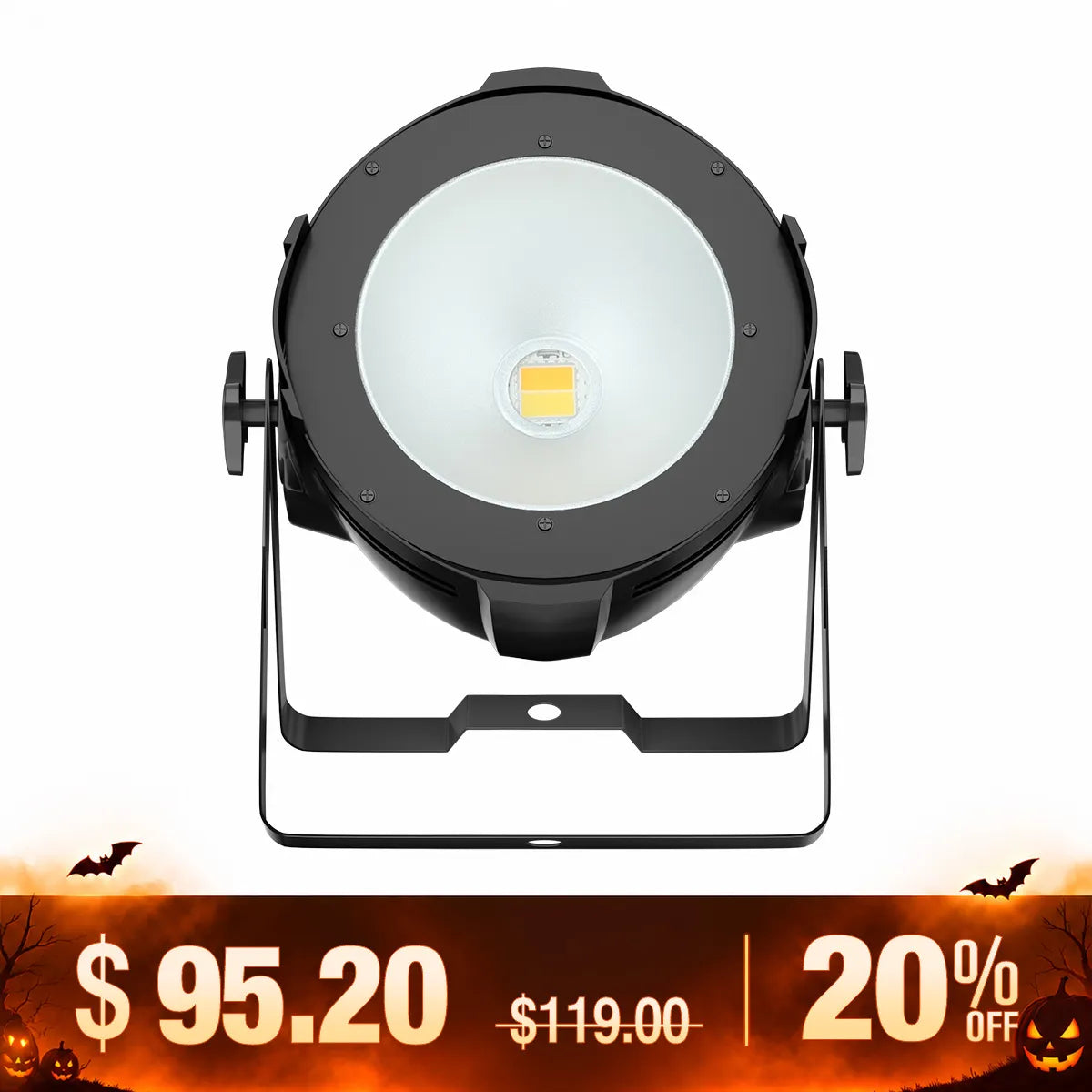
Note: The LC001-H comes in two versions: dual-line and quad-line. The two versions of the product are fully compatible and can be linked together for master-slave or DMX operation. These versions will be shipped randomly. If you mind, please contact us before placing your order. Thank you very much for your understanding and patience.

Spezifikationen
LED Source : 100W COB
Voltage : AC100-240V/50-60HZ
Rated Power : 100W
Control Mode : Auto/DMX/Master-slave
DMX CH : 2/4
Warm White : 3200K±300K
Cold White : 5600K ± 300K
CRI(Color Redering Index) : RA>90
Application : Theatrical Blinders Light, Stage Lighitng, Videography / Photography Light
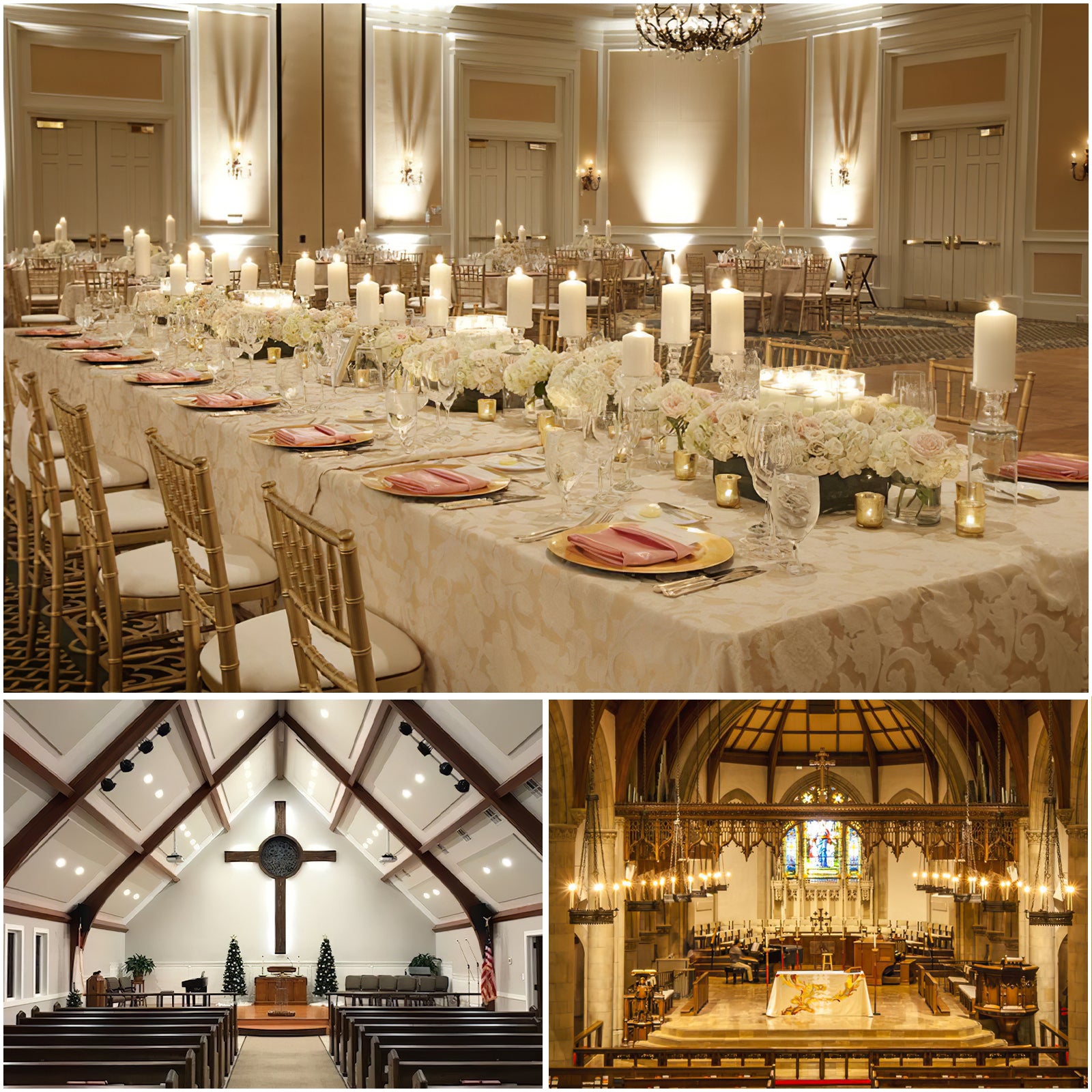
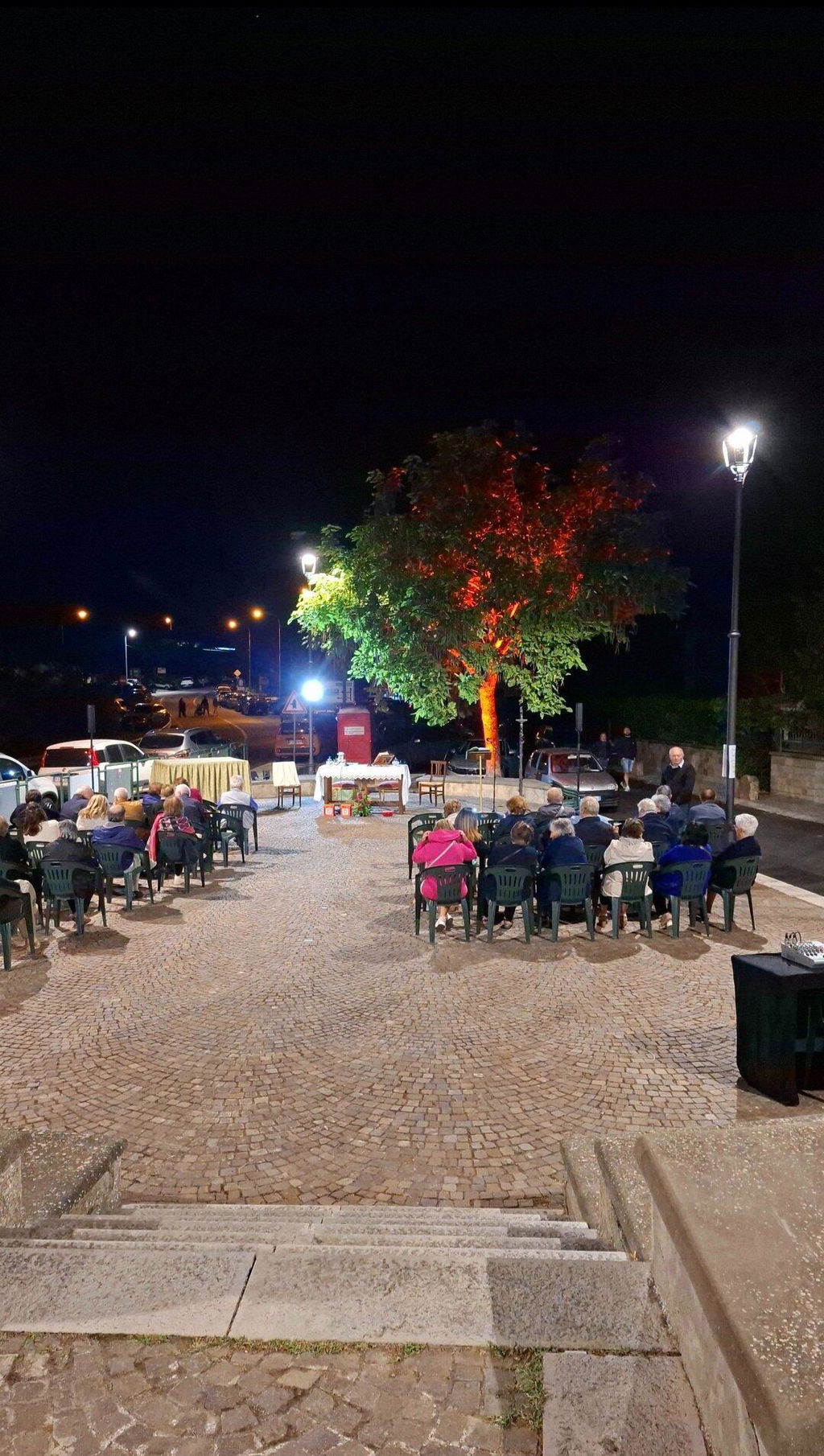
Scenarios : Wedding, Church, Stage, Photostudio
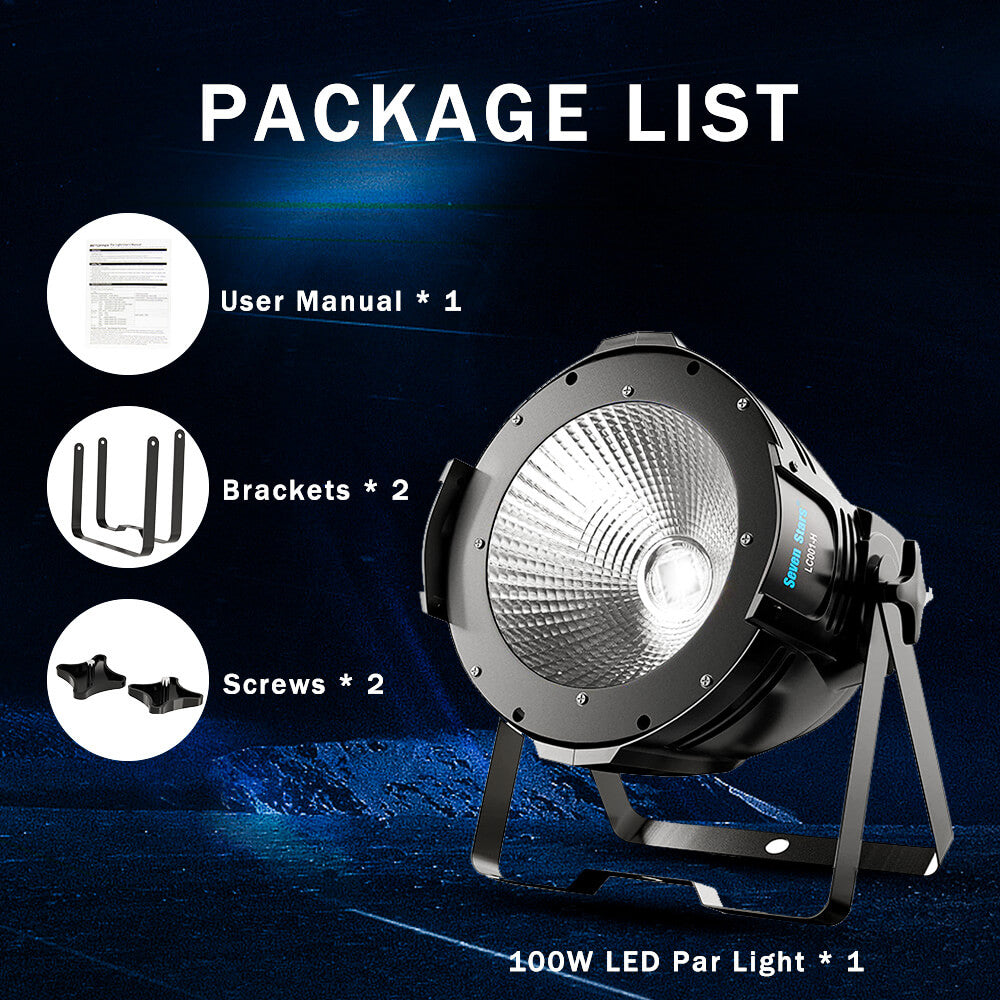
Package List
1 * LED Par light
1 * User Manual
1 * Power Cable

100W Light Source
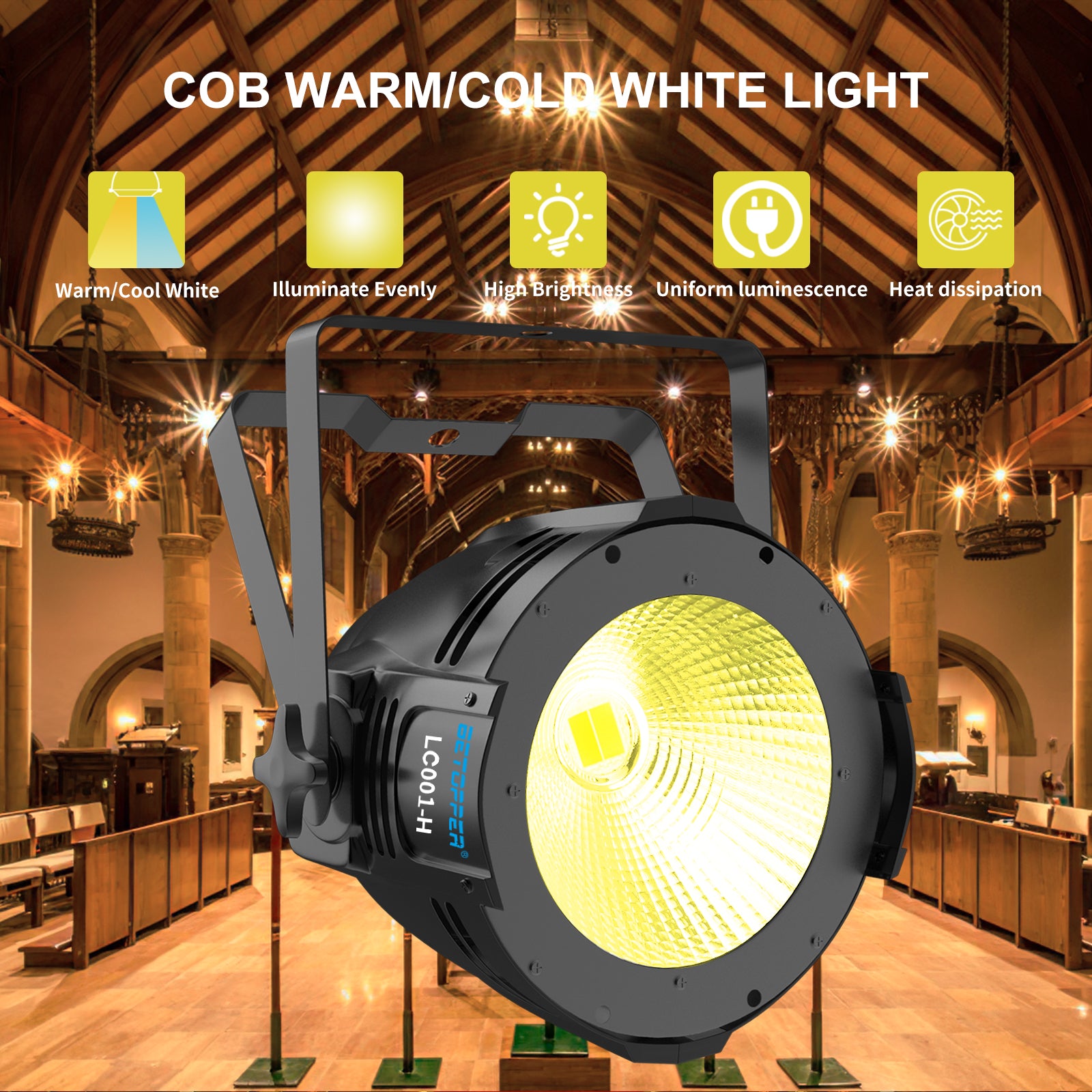
BETOPPER COB LC001-H Series fixtures the newest COB technology with cold/warm white COB LED light source, super hight CRI(Color Rendering Index) RA>92, and has a 60° beam angle, which is perfect for many applications like stage light (wash or lighting), theater, church events, video/photo applications etc. Superior thermal performance for increased life,stability and reliability,this 100W DJ party light provides super bright warm white (3200K) and cold white(5600K) light source.

Based on the newest COB (Chip on Board) technology, the church stage lights output high-intensity, high-uniformity, higher quality cold white/warm white beam of light with less power consumption compared to the old LED technology.

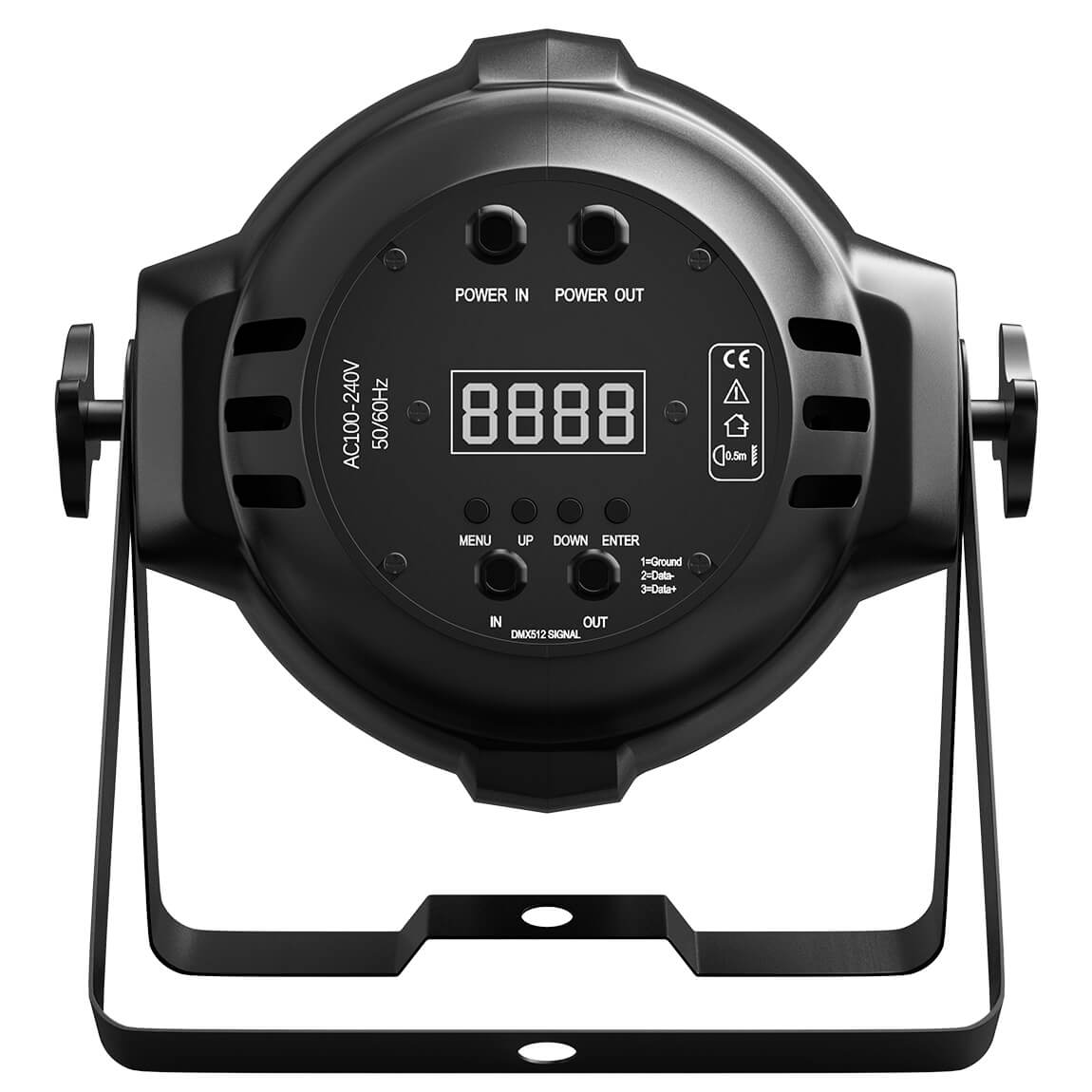
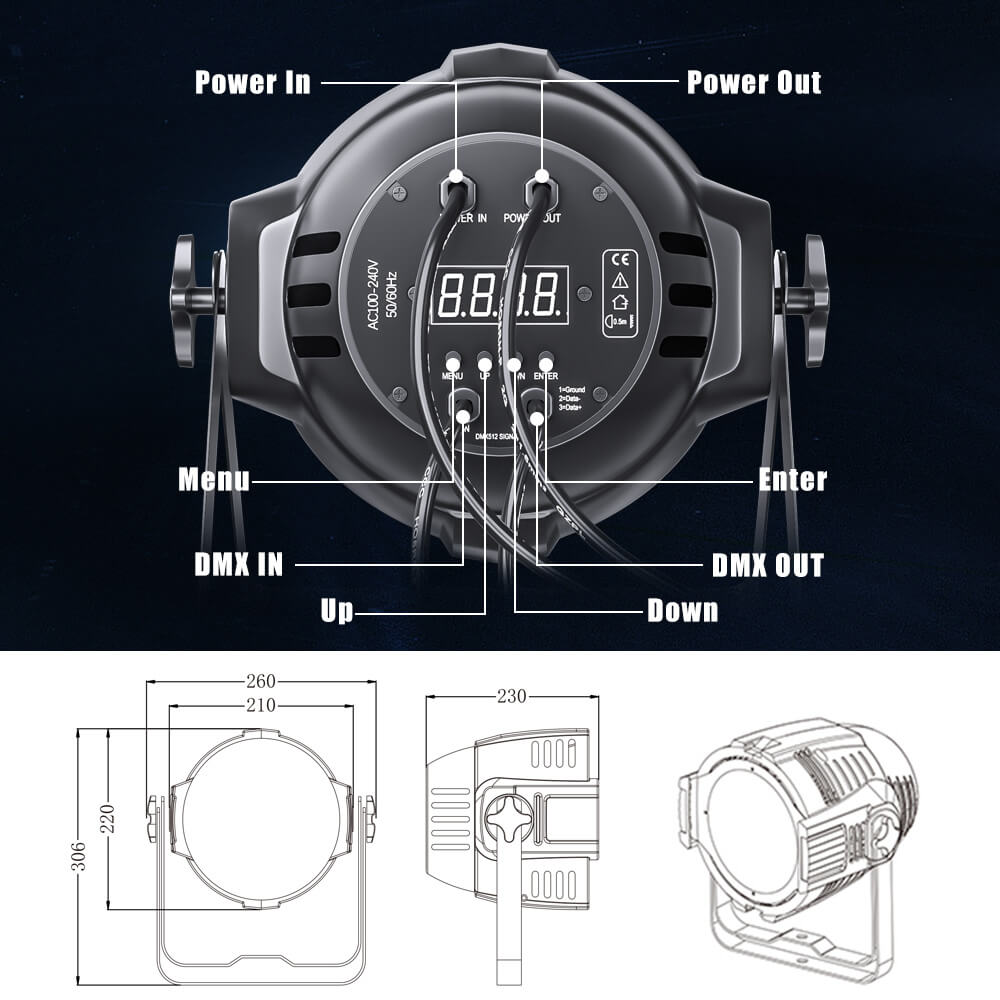
Daisy-chain design power and XLR with cables,no extra cable is needed for this washing lights. Support DMX console operation and master-slave mode. Up to 25 fixtures at AC230V and 8 at AC100V. Built-in cooling fan, this cob light is durable, excellent heat-dissipation ability, no hassle to work under -20~40℃ working environment. The lifespan can be 10,000 hours.


LC001 vs. LC002 vs.LC003
100W COB
200W COB
54*2W LED
AC100-240V/50-60HZ
AC110-240V, 50-60HZ
AC110-240V, 50-60HZ
100W
200W
120W
Auto/DMX/Master-slave
Auto/DMX512/Master-Slave
Auto/DMX512/Master-Slave
2/4
2/4
2/4
2900-5900K
3000-6500k
2900-5900K
RA>90
RA>90
RA>90
FAQ
When considering lighting equipment for stage use, the suitability of a fixture with only warm white and cold white depends on the specific requirements of your production. Here are some factors to consider:
### Advantages of Warm/Cold White Fixtures:
1. **Color Temperature Control**:
- Having both warm white (typically around 2700K-3000K) and cold white (around 5600K-6500K) allows you to mix and adjust the color temperature of the light. This is useful for creating different moods or matching the ambient lighting conditions.
- For example, warm white can create a cozy, intimate atmosphere, while cold white can provide a more energetic or clinical feel.
2. **Skin Tones**:
- Warm white is often flattering for skin tones, making it suitable for performances where actors or performers are the focus.
- Cold white can enhance brightness and clarity, which might be useful for certain scenes or effects.
3. **Simplicity**:
- If your production does not require saturated colors (e.g., reds, blues, greens), a warm/cold white fixture simplifies the setup and operation since you don’t need to manage complex color mixing.
4. **Energy Efficiency**:
- These fixtures often use LED technology, which is energy-efficient and generates less heat compared to traditional stage lighting.
---
### Limitations of Warm/Cold White Fixtures:
1. **Lack of Color Variety**:
- Stage productions often rely on colored lighting to convey emotions, highlight specific areas, or create dynamic scene transitions. A fixture limited to warm and cold white cannot produce saturated colors like red, blue, or green.
- For example, dramatic scenes might require deep blues or intense reds, which this fixture cannot achieve.
2. **Limited Creativity**:
- Without RGB (Red, Green, Blue) or RGBA (Red, Green, Blue, Amber) capabilities, your ability to create custom colors or unique lighting effects is restricted.
3. **Scene-Specific Needs**:
- Certain genres, such as concerts, dance performances, or theatrical plays with vivid set designs, often demand colorful lighting to enhance the visual impact. A warm/cold white fixture may fall short in these cases.
---
### When Is It Suitable for Stage Use?
- **Minimalist Productions**: If your stage design focuses on simplicity and naturalistic lighting, warm/cold white fixtures can work well.
- **Corporate Events or Presentations**: These settings often prioritize clean, professional lighting without the need for vibrant colors.
- **Supplemental Lighting**: The fixture can serve as a secondary light source to complement other full-color fixtures, providing fill light or backlighting with adjustable color temperatures.
---
### Recommendations:
- **Combine with Other Fixtures**: If you decide to use warm/cold white fixtures, pair them with RGB or RGBAW (Red, Green, Blue, Amber, White) fixtures to expand your creative possibilities.
- **Consider the Genre**: Evaluate the type of performance. A play with a realistic setting might benefit from warm/cold white lighting, while a musical or dance performance might require more color versatility.
- **Test Before Committing**: If possible, test the fixture in your venue to see how it interacts with the stage, performers, and other lighting equipment.
---
### Conclusion:
A fixture with only warm and cold white can be good for stage use in specific scenarios, but its limitations in color variety make it unsuitable for productions that require dynamic or colorful lighting. Assess your production’s needs and consider combining it with other fixtures to achieve the desired effect.
YES,This is 100 W super bright stage lighting,it can be u sed in stage as blinders light,washing light,or stage lighting to highlighting the performance.And of course it can be used in videography or photography because of the high CRI
Is it bright enough to light up a 24x18ft stage light if I buy 2
Yes, it will be bright enough to put one left and the other right
When using lighting equipment that supports DMX (Digital Multiplex) control, whether or not you need additional accessories like DMX cables depends on your specific setup and the capabilities of your fixtures. Here's a breakdown to help you understand:
---
### **1. What is DMX Daisy-Chaining?**
DMX daisy-chaining refers to connecting multiple DMX-compatible lighting fixtures in a series, where the signal from one fixture is passed to the next. This allows you to control multiple lights from a single DMX controller.
---
### **2. Do You Need DMX Cables for Daisy-Chaining?**
Yes, **DMX cables** are typically required for daisy-chaining DMX fixtures unless your fixtures have wireless DMX capability (explained below).
- **Standard DMX Setup**: Each fixture will have DMX input and output ports. You’ll need DMX cables to connect the output of one fixture to the input of the next.
- **Types of DMX Cables**: Use high-quality cables specifically designed for DMX, such as shielded 5-pin XLR cables. Some fixtures may also support 3-pin XLR cables, but ensure compatibility before purchasing.
---
### **3. Wireless DMX Option**
Some modern lighting fixtures come with built-in wireless DMX transmitters and receivers. If your fixtures support wireless DMX, you won’t need physical DMX cables for daisy-chaining. However:
- You may still need a wireless DMX transmitter connected to your controller.
- Ensure all fixtures are compatible with the same wireless protocol (e.g., W-DMX, LumenRadio, etc.).
---
### **4. Other Accessories You May Need**
Depending on your setup, you might require additional accessories:
- **DMX Terminator**: A terminator plugs into the last fixture in the daisy chain to prevent signal reflection and ensure reliable communication.
- **DMX Splitter**: If you’re running long cable lengths or splitting the signal to multiple chains, a DMX splitter can boost the signal and prevent interference.
- **Power Supply**: Ensure all fixtures are properly powered. Daisy-chaining DMX does not mean daisy-chaining power—each fixture should have its own power connection unless explicitly designed for power linking.
- **DMX Controller**: You’ll need a DMX console or software interface to program and control your lights.
---
### **5. Key Considerations**
- **Fixture Compatibility**: Verify that all your fixtures support DMX and use the same type of connectors (3-pin or 5-pin XLR).
- **Cable Length**: DMX cables should ideally be no longer than 300 feet (100 meters) per run to avoid signal degradation.
- **Fixture Manual**: Always refer to the user manual for your specific fixtures to confirm their DMX requirements and limitations.
---
### **Conclusion**
If your lighting fixtures require wired DMX connections, you will need DMX cables to daisy-chain them. However, if they support wireless DMX, you can avoid cables altogether. Evaluate your setup and equipment specifications to determine exactly what you need. Let me know if you’d like further clarification or assistance!
No, the fixture is itself designed daisy-chainable 2-in-1 power & xlr cable,no need extra cables for master-slave them, and there is 2 in 1 cable for power and dmx controller.
Who pays for the shipping fee for 30-day no-reason return?
If the return is caused by the consumer, consumer should be responsible for the shipping fee. The specific fee should be based on the express company you choose.
If due to our reasons, the goods received are damaged or not correct, and the consumer is not required to bear the shipping fee for this reason.


免責事項
- 製品データの出典について
本ウェブサイトに掲載されている製品仕様、性能データ、画像およびデモ効果は、すべてBetopper社のラボにおける特定条件下でのテスト結果に基づいています。
実際の使用環境により、性能や効果が異なる場合がありますので、あらかじめご了承ください。また、記載されている電力値はすべて、当社の実験環境において測定された灯具全体の総消費電力を示しています。 - 使用環境について
Betopperの舞台照明製品は、各国の安全基準および適切な使用環境に準拠してご使用ください。
(1) 高温、多湿、換気不良、または引火性のある環境では使用しないでください。
(2) 屋外での長時間使用は、屋外対応製品である場合を除きお控えください - 責任の免除について
以下のような場合に生じた損害や事故について、弊社は一切の責任を負いかねます。
(1) 製品の無断改造
(2) 誤った設置方法
(3) 不適切な使用方法
(4) 本来の用途を超える使用 - 専門業者による設置について
すべての舞台照明機器は、専門知識を持つ技術者によって設置および操作される必要があります。必ず付属の取扱説明書をご確認の上、正しくご使用ください。 - ご利用にあたっての同意事項
本ウェブサイトをご利用いただき、製品をご購入された時点で、上記すべての項目にご同意いただいたものとみなされます。