
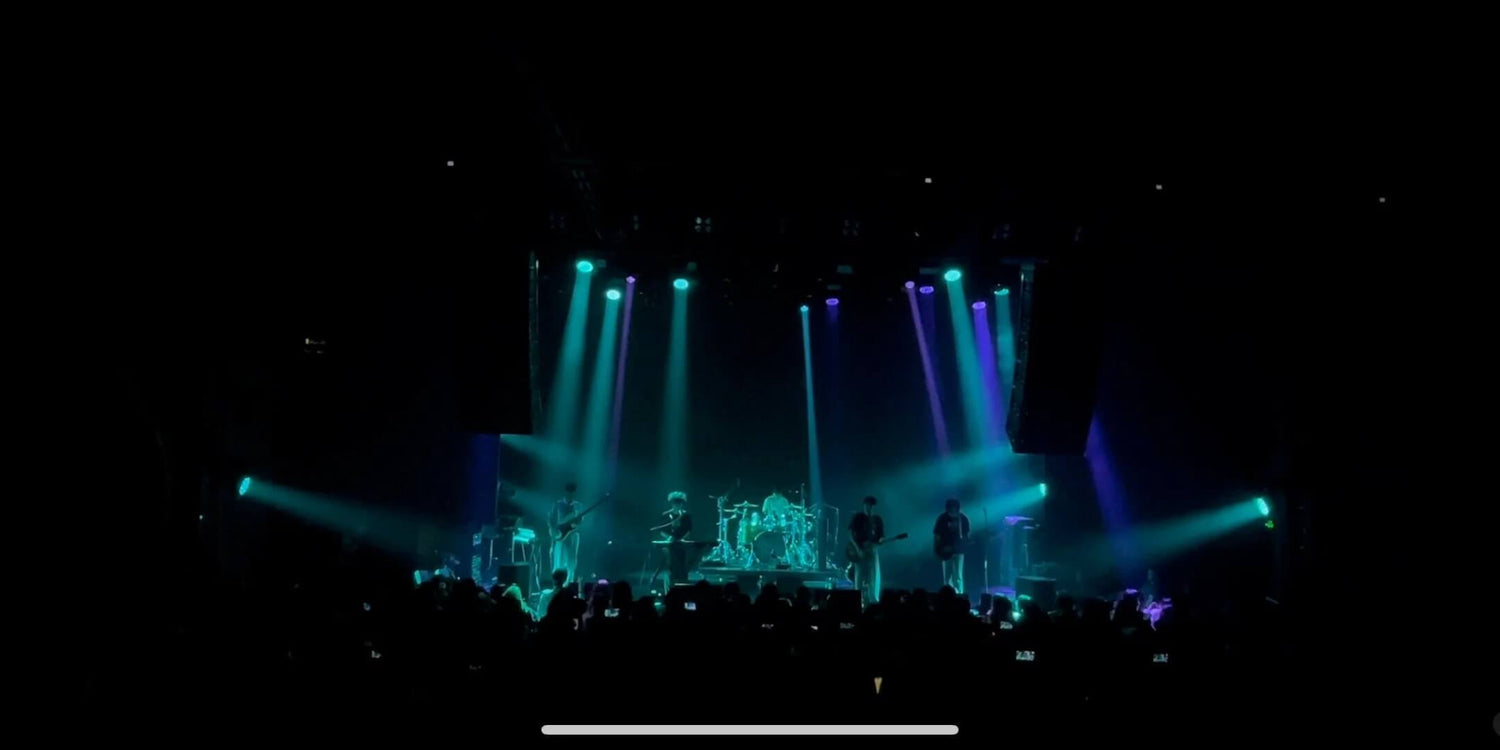
Introduction — 2026 Nightclub Lighting Trends
At Betopper, we’ve spent years working closely with DJs, nightclub owners, and lighting designers around the world. As we move into 2026, one thing is clear: nightclub lighting is no longer just about brightness—it’s about experience, adaptability, and long-term value.
Nightclub lighting is entering a new phase, driven by smarter control systems, immersive visual design, and high-efficiency LED technology. Modern venues are upgrading their lighting not only to impress visually, but also to reduce operating costs, improve reliability, and create spaces that react dynamically to music and crowd energy.
Lighting now plays a central role in shaping atmosphere, guiding audience movement, and defining a club’s identity. From modular lighting layouts to real-time sound-reactive effects, clubs are demanding solutions that combine creative performance with sustainability and ease of operation.
In this guide, Betopper shares our perspective on the most important nightclub lighting trends for 2026—covering key product categories, design strategies, and scene-based lighting concepts that help venues stay competitive, efficient, and future-ready.

Key Nightclub Lighting Trends in 2026
(1) From “More Fixtures” to System-Based, Scene-Driven Lighting
One of the clearest nightclub lighting trends in 2026 is the shift from buying more fixtures to building reusable, scene-driven lighting systems., rather than purchasing a one-time collection of fixtures. This shift is driven by practical market forces: the continued growth of lighting control and intelligent lighting systems shows that venues are willing to invest in solutions that are easier to control, program, and maintain over the long term.
According to Grand View Research, energy efficiency and smart lighting are among the key growth drivers for the global lighting market from 2024 to 2030. This directly influences how nightclubs plan lighting upgrades.
For nightclubs, this trend typically appears in two ways:
- Lighting designed by scenes, not individual effects. Common scenes include opening, warm-up, peak hours, drops, and closing—allowing one-touch or automated switching throughout the night.
- More modular lighting layouts, with clear functional zones such as the bar, DJ booth, main dancefloor, and walls or ceilings. This structure makes future expansion or replacement significantly easier.
Betopper perspective: when designing lighting solutions, we increasingly prioritize control structure and zoning before selecting specific fixtures. Without a clear system framework, future content creation and show programming are often limited by cabling, channel allocation, and layout constraints.
(2) Control and Adaptability Become Core Requirements: Faster Changes, Better Coordination, Less Labor
In real nightclub operations, the main challenge is rarely insufficient brightness. Instead, it is the ability to adapt quickly—changing themes, DJs, music styles, or seasonal events while maintaining stable operation throughout the night.
Market data reflects this shift. The continued growth of intelligent lighting and lighting control systems indicates that controllability and programmability are becoming increasingly important factors in purchasing decisions.
As a result, what feels “new” in 2026 is not necessarily more complex systems, but more reliable and repeatable control:
- Control platforms are becoming more widely adopted, with a strong emphasis on stability and consistency rather than excessive complexity.
- The same lighting rig can deliver completely different atmospheres simply by switching shows, chases, or scenes—without changing hardware.
(3) Immersive Visual Design: Lighting Actively Shapes Spatial Experience
Immersive lighting is not a marketing term—it reflects a shift toward treating lighting as part of the spatial design itself. From the moment guests enter a venue, lighting helps guide movement, set emotional tone, and shape how different areas feel throughout the night.
Industry discussion around immersive and 360-degree visual environments increased noticeably in 2025–2026, particularly in DJ-driven and performance-oriented venues.
For nightclub applications, this trend translates into:
- Greater use of low-angle lighting, side lighting, and background illumination, rather than relying only on overhead fixtures.
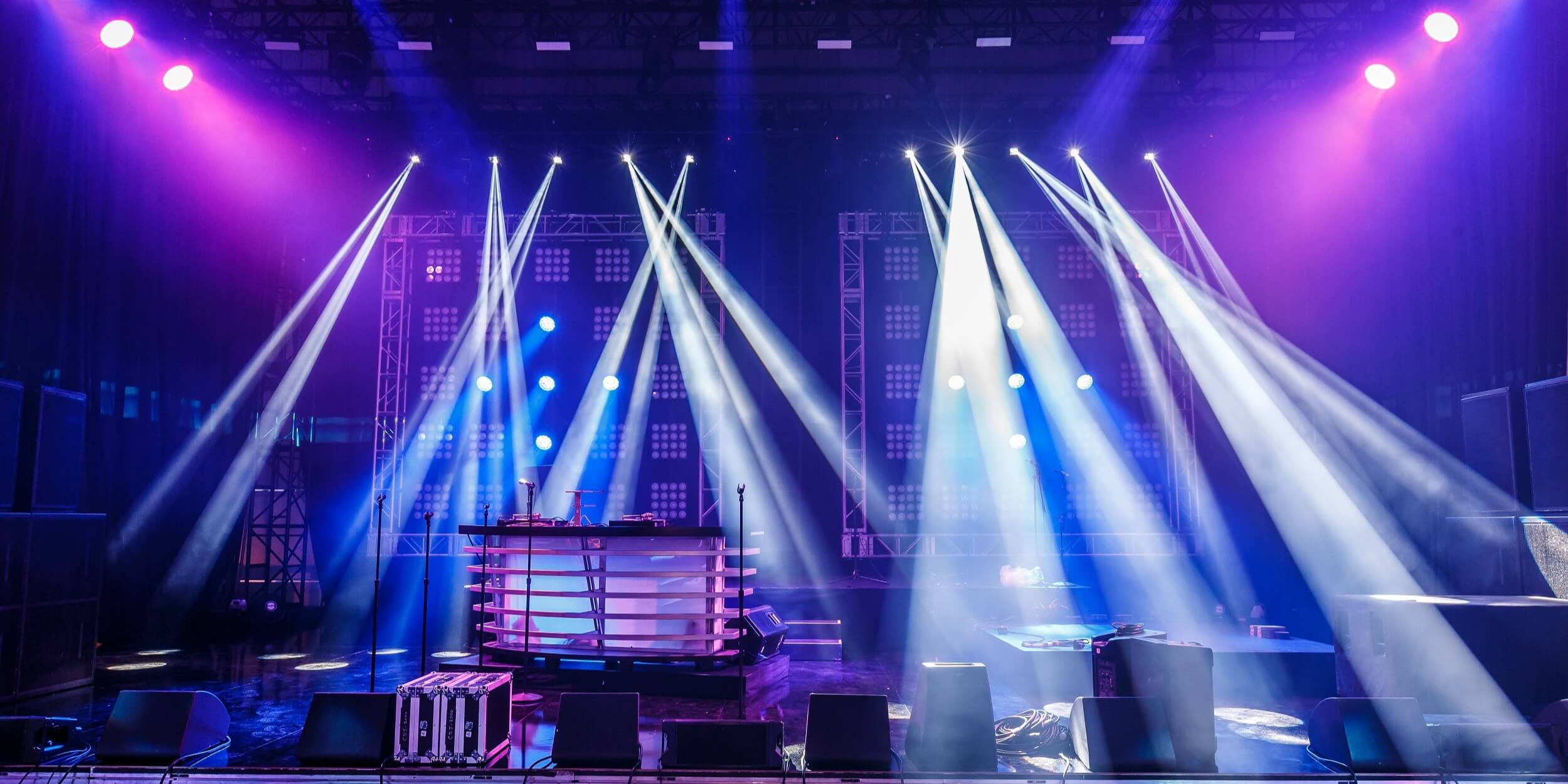
- Increased emphasis on visible beams and atmospheric depth, created through coordinated use of haze and lighting.
(4) Core 2026 Trend: Energy Efficiency, Lifespan, and Operational Cost Matter More Than Ever
This trend is strongly supported by data. Government and industry sources consistently show that LED lighting consumes significantly less energy and offers much longer lifespan compared to traditional halogen or discharge sources.
For nightclubs, this directly impacts purchasing decisions:
- Venues are more willing to replace high-maintenance legacy systems with LED-based solutions.
- Buyers increasingly evaluate total lifecycle cost—including electricity, maintenance, downtime risk, and replacement frequency—rather than focusing only on initial purchase price.
(5) Standardization and Compatibility Are Becoming Key Buying Factors
As nightclub lighting systems become more complex, buyers in 2026 are paying closer attention to standardization and compatibility. Most venues do not operate within a single-brand ecosystem, and lighting systems are expected to integrate smoothly with existing controllers, software platforms, and mixed-brand setups.
For nightclub owners and technical managers, this is a practical risk-management decision. Lighting systems often remain in use longer than controllers, media tools, or DJ equipment. Choosing fixtures that follow widely adopted industry standards helps venues avoid being locked into a single solution and reduces uncertainty when upgrading or expanding in the future.
In real-world purchasing decisions, compatibility now influences:
- Whether new fixtures can work seamlessly with existing DMX controllers and software
- How easily additional fixtures from different brands can be integrated
- The long-term flexibility of the lighting system as music styles, DJs, and event formats evolve
From a Betopper perspective, standardization is not a limitation—it is a safeguard. By focusing on widely supported control protocols and flexible integration, venues can build lighting systems that remain reliable, expandable, and relevant over time, rather than needing full replacement every few years.
Essential Nightclub Lighting Products for 2026
As nightclub lighting continues to evolve, certain lighting products remain essential for creating energetic, immersive, and engaging experiences in 2026. From building atmosphere to highlighting peak moments, the right lighting setup helps shape the mood of the night and keeps the audience connected to the music.
Below are the key lighting products every nightclub should consider.
1. LED PAR Lights for Stage and Ambient Lighting
LED PAR lights are a core part of nightclub lighting and are widely used to create consistent color and atmosphere throughout the venue. They provide strong, even illumination that helps define the space, making the dancefloor, DJ booth, and stage feel visually complete from opening to closing.
These lights are commonly used as background and ambient lighting, supporting the overall look of the club without drawing too much attention. Modern LED technology also makes them energy-efficient and reliable for long operating hours.
Key features:
- Bright, even light output
- Smooth color mixing for different moods
- Energy-efficient performance
 |
 |
 |
Ideal for:
Dancefloors, stage backlighting, DJ booth areas, and venue entrances.
2. Moving Head Wash & Beam Lights for Dynamic Stage Effects
Moving head wash and beam lights are essential for high-energy DJ performances and nightclub events. These lights add movement to the space, creating sweeping effects, colorful washes, and sharp beams that respond naturally to the music.
Their ability to move freely allows clubs to highlight performers, emphasize drops, and create dramatic moments that capture the crowd’s attention. By shifting between wide washes and focused beams, moving head lights help keep the visual experience fresh throughout the night.
Key features:
- Full-range movement for dynamic effects
- Flexible output for both washes and beams
- Color-changing capabilities that follow the music
 |
 |
 |
Ideal for:
Main stage lighting, dancefloor effects, and visual emphasis during DJ performances.
3. Strobe and Effect Lights for Energy and Highlights
Strobe and effect lights are used to create moments of excitement and contrast on the dancefloor. Rather than running constantly, these lights are most effective when triggered during key moments in a DJ set, such as drops, transitions, or climactic sections.
When used sparingly, strobe and effect lighting can instantly raise energy levels and refresh the visual atmosphere, helping the night feel dynamic rather than repetitive.
Key features:
- Adjustable intensity and speed
- Strong visual impact for short bursts
- Easy integration into different lighting scenes
 |
 |
 |
Ideal for:
Drops, transitions, and high-impact moments during performances.
4. Atmospheric Effects for Depth and Visual Impact
Atmospheric effects such as haze play an important role in how nightclub lighting is perceived. By adding a light layer of atmosphere to the room, beams and movement become more visible, giving lighting effects depth and presence.
Used correctly, atmospheric effects enhance the overall lighting experience without distracting from the music or crowd.
Key features:
- Improves visibility of beams and movement
- Adds depth and dimension to lighting effects
- Supports a more immersive visual environment
Ideal for:
Dancefloors, main performance areas, and peak-hour lighting setups.
FAQ — Nightclub Lighting for 2026 and Beyond
Here are the most common questions nightclub owners, DJs, and operators ask when planning lighting for 2026.
1. What lighting works best for large nightclub venues?
For large venues, flexibility matters more than quantity. A modular lighting setup allows you to adjust looks for different DJs and events without rebuilding your system. Moving head lights and beam effects help cover large spaces, while LED fixtures keep power usage under control.
2. How can I reduce energy costs without sacrificing impact?
Most clubs improve efficiency by switching to modern LED lighting and avoiding lights that run at full power all night. Smarter scene control—using brighter looks only when needed—also makes a big difference.
3. What lighting works best for a nightclub dance floor?
Dance floors need lighting that moves and changes with the music. A mix of moving lights and color-changing fixtures keeps the space feeling alive and prevents visual fatigue over long nights.
4. Should lighting always sync directly to the music?
Not always. While music-responsive lighting is effective during peak moments, the best clubs mix automated scenes with manual control. This keeps lighting dynamic without becoming repetitive.
5. Why are so many clubs switching to sustainable lighting?
Sustainable lighting isn’t just about the environment—it’s about long-term cost and reliability. LED systems last longer, use less power, and require less maintenance, making them a practical choice for clubs operating many hours each week.
Conclusion
Nightclub lighting in 2026 is less about complexity and more about clarity, flexibility, and atmosphere. Strong performance, scene-based effects, and thoughtful design now define how clubs create energy and visual identity.
Whether you’re upgrading an existing venue or building a new one, the right balance of moving lights, LED washes, beam effects, and smart control will shape how your club feels—and how it’s remembered.
At Betopper, we focus on lighting solutions that work in real nightclub environments: reliable, adaptable, and built for long nights.
Planning your lighting upgrade for 2026 and beyond?
https://betopperdj.com/ We’re here to help you choose the right products and create the right atmosphere for your venue.

2 commenti
Michelle Catapang
Lighting can set the entire mood! This guide offers useful ideas for creating an engaging nightclub atmosphere with the right stage lighting. Definitely worth a look for nightlife and entertainment venues!
Michelle Catapang
Great read! I love how this article highlights the latest trends and tips in stage lighting for nightclubs from immersive effects to smart control systems. It’s clear that thoughtful lighting can totally transform a space and elevate the energy on the dance floor. Thanks for sharing these practical insights for anyone looking to create standout nightlife experiences!
Lascia un commento
Nota che i commenti devono essere approvati prima di essere pubblicati.
Questo sito è protetto da hCaptcha e applica le Norme sulla privacy e i Termini di servizio di hCaptcha.