
Introduction
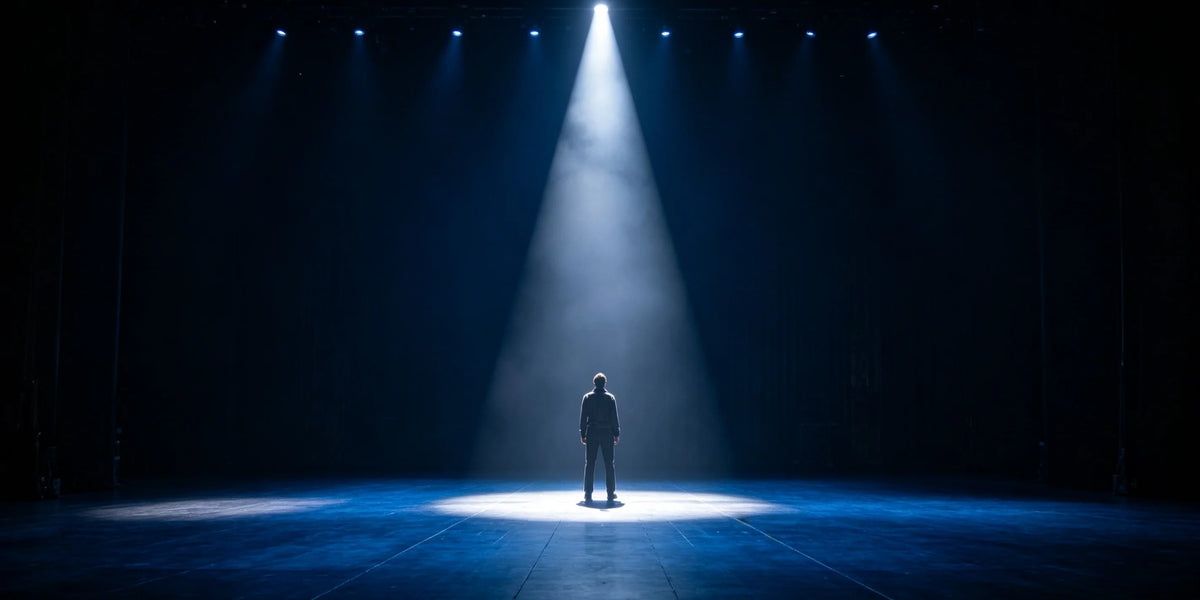
Choosing the right LED spotlight for theaters is less about finding the brightest fixture and more about controlling where the light goes and how it looks on stage.
A small black box theater, a mid-size proscenium venue, and a large auditorium can have completely different lighting requirements. Throw distance, beam angle, color accuracy, dimming, noise, and control all affect whether a fixture actually works for the production.
This guide focuses on the specifications that matter when choosing an LED spotlight for theaters — including when a general LED spotlight is appropriate, and when a dedicated LED profile spotlight makes more sense.
What Makes an LED Spotlight Suitable for Theater?
Theater lighting places different demands on a fixture than a typical DJ or concert setup. An LED spotlight for theaters should provide predictable, controlled illumination rather than simply producing a large amount of light.
The most important characteristics include:
- Consistent color rendering for skin tones, costumes, and scenery
- Smooth, predictable dimming for fades and scene transitions
- Low noise for quiet performances
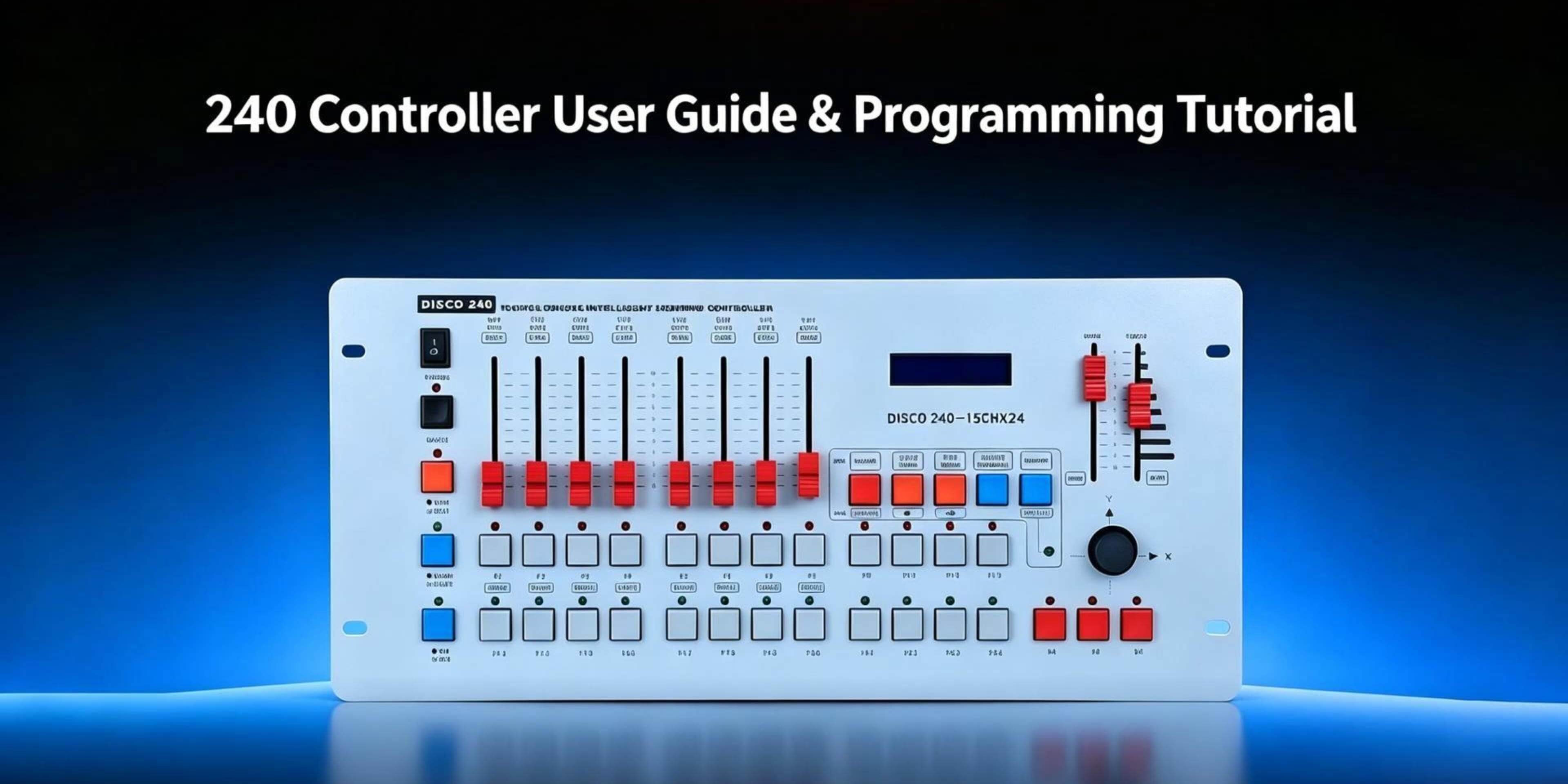
- DMX512 or RDM compatibility for integration with a lighting console
- Optical control appropriate for the required throw distance and target area
A fixture designed primarily for high-energy effects may prioritize output, movement, or built-in effects instead. Those features can be useful, but they don't automatically make it a better theatrical spotlight.
The first question to ask is simple:
What area of the stage do you need to illuminate, and from where will the fixture be mounted?

How Do Throw Distance and Beam Angle Affect Your Choice?
Before comparing fixtures, measure the actual distance between the lighting position and the area you want to illuminate. A fixture mounted 20 feet from the stage has very different coverage requirements from one mounted 60 feet away.
You can estimate the approximate beam diameter using:
Coverage Diameter ≈ 2 × Throw Distance × tan(Beam Angle ÷ 2)
For example, at a 20-foot throw:
| Beam Angle | Approx. Coverage Diameter |
|---|---|
| 10° | 3.5 ft |
| 20° | 7.1 ft |
| 40° | 14.6 ft |
These are geometric estimates, not measurements of actual illumination. Output, optical efficiency, haze, and the amount of light required on the target all affect real-world performance.
The practical takeaway is simple: don't choose beam angle by itself.
A narrow beam can be useful for a focused performer special or long throw, while a wider beam may be more appropriate when one fixture needs to cover a larger section of the stage. If the same fixture will be used from several positions, a zoomable optic can offer more flexibility than a fixed-angle fixture.
Which Specifications Matter Most for Theater Lighting?
Once you know the required throw and coverage, focus on the specifications that affect what the audience actually sees.
| Specification | Why It Matters |
|---|---|
| CRI / R9 | Helps preserve natural skin tones and costume colors |
| Dimming | Determines how smoothly the fixture fades between cues |
| Noise | Important in quiet theaters, churches, and spoken performances |
| DMX / RDM | Allows integration with a lighting control system |
| Output | Determines whether enough light reaches the target at the required distance |
| Beam / field angle | Determines how tightly or broadly the light covers the stage |
CRI and Color Quality For theater, color accuracy matters because audiences see faces, makeup, costumes, and scenic elements under the light. CRI is a useful starting point, but it isn't the whole picture — R9, CCT consistency, and (when video is involved) flicker performance matter too.
Dimming Theater cues often require gradual fades rather than abrupt changes. Look for predictable dimming behavior and a clean transition toward blackout. If the fixture will also be filmed, check its flicker performance under the camera settings you actually use.
Noise A fan that's acceptable in a nightclub can become noticeable during a quiet monologue. For acoustically sensitive venues, check the manufacturer's noise information and, when possible, evaluate the fixture at the distance where the audience or microphones will be positioned.
Control For permanent theater installations or programmed productions, DMX512 is a practical baseline. RDM can also be useful for remote fixture configuration and monitoring when supported by the complete control system.

Do You Need a Profile Spotlight or a General LED Spotlight?
This distinction matters because the term "LED spotlight" doesn't automatically mean LED profile spotlight.
A profile spotlight — also called an ellipsoidal or Leko-style fixture — is designed for precise beam shaping. Depending on the fixture, this can include framing shutters, an iris, and a gobo slot. That makes profile fixtures useful when you need to:
- Cut light precisely around scenery
- Create defined stage specials
- Project gobos
- Shape the beam to a specific area
- Control unwanted spill
A general LED spotlight has a broader purpose. It may provide a fixed or zoomable beam for performer illumination, fill, or general stage coverage, without the physical beam-shaping features of a profile fixture.
So before buying: don't rely on the word "spotlight" in a product name. If your production requires shutters or gobo projection, confirm that those physical features are actually included.
Which LED Spotlight Is Right for Different Theater Applications?
The best LED spotlight for theaters depends heavily on where the fixture will be used.
Black Box and Small Theaters Space is limited and audiences may sit relatively close to the fixtures. Prioritize:
- Compact size
- Good color rendering
- Low noise
- Appropriate beam coverage
- Smooth dimming
You may not need an extremely powerful long-throw fixture if the lighting position is close to the stage.
Mid-Size Proscenium Theaters These venues often need a balance between coverage, throw distance, color quality, and control. A zoomable LED spotlight can be useful when different productions require different stage areas to be covered from the same lighting position.
Large Auditoriums Throw distance becomes a much bigger factor. Fixtures positioned on balconies or distant front-of-house positions need sufficient output and suitable optics to put usable light on the stage. Don't judge this by wattage alone — look for photometric data at the distances relevant to your venue.
Touring and Rental Productions Weight, durability, mounting compatibility, and serviceability become more important because the fixtures are repeatedly transported and re-rigged. For touring and rental work, it is especially important to evaluate weight, power requirements, throw distance, and noise in the actual venue rather than relying solely on the spec sheet.
Why High CRI Matters for Theater LED Spotlights
A high-CRI fixture is especially valuable when accurate color reproduction is a priority. Think about what the spotlight is illuminating:
- Skin tones
- Makeup
- Costumes
- Scenic colors
- Set details
A fixture can produce plenty of light while still rendering certain colors less naturally. For applications where color fidelity matters, CRI 90+ is a useful benchmark, while higher CRI can be worth prioritizing for productions with close audience sightlines or demanding costume and makeup work.
Also look beyond the headline CRI number when the application is color-critical. R9 provides additional information about red rendering, which is especially relevant to skin tones and red fabrics. If video or livestreaming is part of the production, evaluate flicker performance separately — a high CRI doesn't automatically mean camera-ready performance.
Betopper High CRI LED Spotlight: Where Does It Fit?
The Betopper High CRI LED Spotlight (LCX200) is built around high color rendering and controlled white-light output.
It uses a 300W LED source with a rated CRI of Ra≥97, along with Cold White and Warm White output. It supports 0–100% linear dimming and offers DMX512, Manual, and RDM control. The listed operating voltage is AC100–240V, and the LED light source is rated for more than 50,000 hours.
These characteristics make the LCX200 worth considering when a theater needs:
- High color rendering
- Controlled white-light output
- Smooth dimming
- DMX/RDM integration
- A straightforward LED spotlight rather than a moving effect fixture
However, if your production specifically requires framing shutters, gobo projection, or other profile-fixture functions, verify those requirements against the fixture's specifications before purchasing.
The right question isn't whether a spotlight has the most features — it's whether it has the specific features your production actually needs.

Which LED Spotlight Should You Choose?
Use this quick decision framework:
- Need precise beam shaping, shutters, or gobos? → Choose a profile / ellipsoidal fixture
- Need controlled performer or area illumination? → Consider a general LED spotlight
- Need broad, soft coverage? → Consider a Fresnel or wash fixture
- Need accurate color reproduction? → Prioritize a high-CRI LED spotlight
- Need long-throw coverage? → Match output and optics to the actual throw distance
- Need console integration? → Confirm DMX512 / RDM compatibility
- Working in a quiet theater? → Check real-world noise performance
For a theater, the best fixture is the one that matches the lighting position, throw distance, target area, color requirements, and control system.
Conclusion
Choosing the right LED spotlight for theaters starts with the job, not the wattage.
Measure the throw distance, determine the coverage you need, decide whether you require profile-style beam shaping, and then compare color quality, dimming, noise, output, and control.
If accurate white light and color reproduction are the priority, a high-CRI LED spotlight such as the LCX200 can be worth considering. If you need shutters, gobos, or precise beam shaping, look specifically for a dedicated profile fixture.
For a closer look at high-CRI spotlights, profile fixtures, and other theatrical lighting options, explore Betopper's full lighting solutions lineup to find the right fit for your venue.
FAQs
What's the difference between a profile spotlight and a general LED spotlight?
A profile spotlight uses optical and mechanical features such as framing shutters and often gobos to create a precisely shaped beam. A general LED spotlight is typically intended for more straightforward focused or area illumination.
Is high CRI important for theater lighting?
CRI 90+ is a useful benchmark when color fidelity matters, while higher CRI can be beneficial for productions where accurate skin tones, costumes, and scenery are especially important. R9 is also worth checking for color-critical applications.
How do I choose the right beam angle?
Start with the actual throw distance and the size of the area you need to illuminate. A narrow angle concentrates light into a smaller area, while a wider angle covers more area. If you need flexibility between different positions or stage layouts, consider a zoomable fixture.
Do theater LED spotlights need DMX?
Not every application requires DMX, but DMX512 is useful whenever the spotlight needs to be integrated into a programmed lighting cue system alongside other fixtures on the same console. Confirm DMX and RDM compatibility with your existing control desk before purchasing.

Lascia un commento
Nota che i commenti devono essere approvati prima di essere pubblicati.
Questo sito è protetto da hCaptcha e applica le Norme sulla privacy e i Termini di servizio di hCaptcha.