

Introduction
If you’re planning to buy your first moving head lights, the biggest challenge usually isn’t budget — it’s knowing where to start. With so many models, power ratings, and lighting types available, beginners often end up choosing fixtures that don’t actually fit their stage or performance needs.
Some buyers purchase lights that look impressive online but feel underpowered in real venues. Others buy equipment that’s too complex or unnecessary for small shows. The result is money spent without getting the visual improvement they expected.
This guide is written specifically for first-time buyers. Instead of diving into technical theory, we’ll walk through what beginners actually need to know: which types of moving heads exist, how bright your lights should be, how many fixtures you realistically need, and how to set them up so your stage already looks better from the first show.

Chapter 1 — Should You Start with Moving Head Lights?
Before comparing models or specifications, the first question beginners should ask is simple: do moving head lights actually fit your type of show?
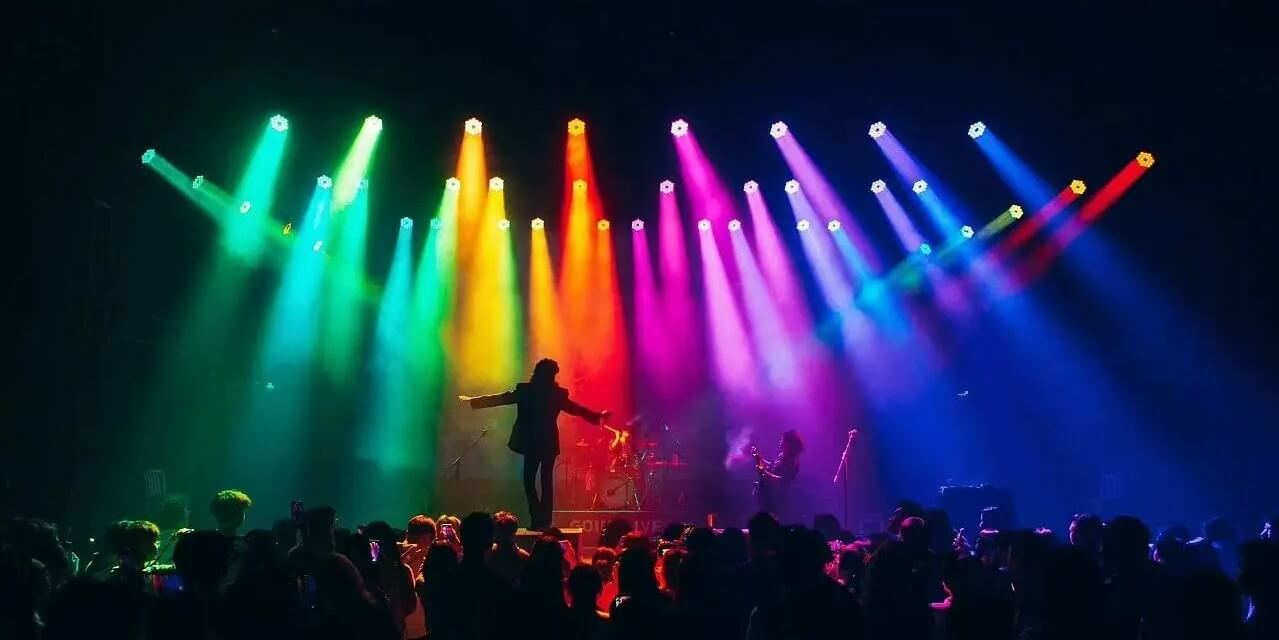
Moving head lights are mainly used to add motion, beam effects, and visual energy to a stage. They create moving beams across the venue, sweep over audiences, and add dynamics that static lights cannot provide.
However, not every setup benefits immediately from moving heads. On very small stages or simple performance setups, improving basic lighting coverage often makes more difference than adding motion effects.
Moving head lights start making sense when:
• You want moving beam effects across the room
• Your shows rely on energy changes or drops
• Static lighting makes the stage look flat
• You want visual motion instead of fixed lighting
For many first-time buyers, adding just two moving heads can already make a setup feel more dynamic without making operation complicated.
Chapter 2 — Types of Moving Head Lights Explained
Once you decide that moving head lights make sense for your setup, the next step is understanding the main types available. Different fixtures are designed for different visual purposes, and choosing the right type matters more than simply picking the highest power rating.
Below is a practical comparison to help first-time buyers understand how each type is typically used on stage.
Moving Head Light Comparison Table
| Type | Main Effect | Common Use | Strength | Limitation |
|---|---|---|---|---|
| Beam Moving Head | Narrow, sharp aerial beams | DJ shows, clubs, high-energy events | Strong visual impact and long beam throw | Does not provide wide stage coverage |
| Spot Moving Head | Focused light and pattern projection | Stage effects, background textures | Projects gobos and visual patterns | Less impactful for aerial beam looks |
| Wash Moving Head | Wide color coverage | Stage color wash, atmosphere lighting | Smooth and even color coverage | No sharp beam or projection effects |
| Hybrid Moving Head | Combines beam, spot, and wash functions | Mobile setups and mixed events | Flexible for different show types | Typically larger and more expensive |
| Effect / Pixel Moving Head | Animated visual and color effects | Clubs and party environments | Adds motion and dynamic background effects | Not suitable as main lighting source |
In many real-world setups, stages combine fixture types rather than relying on just one. For example, wash lighting may provide overall color atmosphere while beam fixtures create energetic moments during drops or transitions.
Chapter 3 — Key Technical Features Explained
After choosing the right type of moving head light, beginners often face another challenge: understanding product specifications. Fixture listings include many technical terms, but only a few actually matter when choosing your first unit.
Here are the key parameters worth understanding.
Light Source Type
Moving heads typically use LED sources or discharge lamps. Modern LED fixtures are popular for smaller venues because they run cooler, use less power, and require less maintenance. Lamp-based fixtures are still common in larger stages where extreme brightness is required.
Output Brightness
Brightness determines how visible beams appear across a venue. Instead of focusing only on wattage, consider whether the fixture output matches your typical stage size.
Beam Angle
A narrow beam creates sharp aerial effects, while wider beams cover more space with softer light. Beam fixtures often have tight angles, while wash fixtures provide broader coverage.
Colors and Gobos
Many moving heads include color wheels and gobos that project patterns or textures. More options allow greater variety during shows, but beginners often use only a few effects regularly.
Pan and Tilt Movement
Movement range and speed affect how smoothly lights sweep across a stage. Faster and smoother movement looks more professional, especially when synchronized with music.
Control Modes
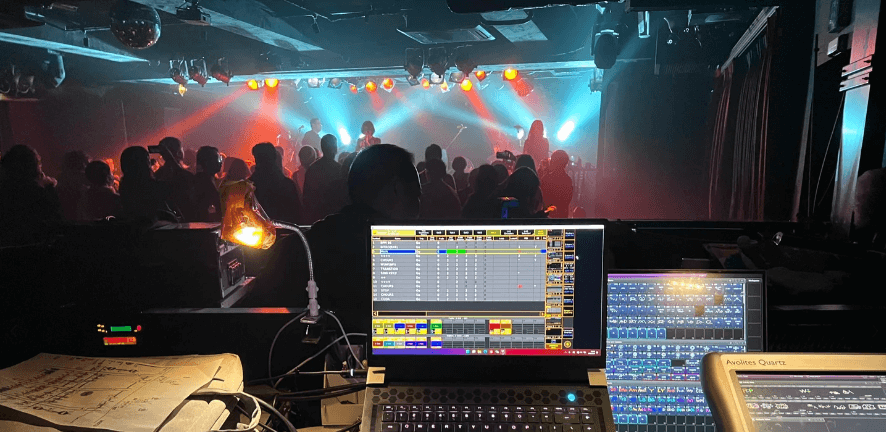
Fixtures usually support DMX control along with automatic and sound-active modes. Beginners often start with built-in modes before moving to full DMX programming.
Understanding these specifications helps first-time buyers compare fixtures more confidently without getting lost in technical details.
Chapter 4 — How Many Moving Head Lights Do You Actually Need?
After understanding fixture types and specifications, the next practical question for first-time buyers is how many moving head lights are actually needed to improve a stage.
In practice, many mobile DJs and small event organizers begin with two beam fixtures such as the Betopper LB295 or 150W Beam units, then expand to four fixtures once their shows move into larger venues. Starting small helps control budget while still creating a noticeable visual upgrade.
Moving up to four fixtures creates a more balanced and professional look. Lights can work in pairs, creating symmetrical movements or wider beam coverage across the space. This setup is common in clubs and medium-sized event stages.
Larger stages or production environments may use six or more fixtures, but this is rarely necessary for first-time buyers. In many cases, beginners benefit more from starting small and expanding later as their shows grow.
A practical upgrade path often looks like this:
- Start with two fixtures to introduce movement
- Expand to four for better balance and coverage
- Add more units later only if venue size increases
Chapter 6 — FAQs from First-Time Moving Head Light Buyers
Q1. Can I start with just one moving head light?
You can, but results are limited. Most effects rely on symmetry or movement across space, which is difficult to achieve with a single fixture. Starting with two units usually creates a much better visual result.
Q2. Should I choose Beam, Wash, or Hybrid for my first purchase?
It depends on your shows. Beam fixtures create strong aerial effects for DJs and energetic events, wash fixtures add color atmosphere, while hybrid fixtures offer flexibility if you handle different event types. Beginners often choose beam or hybrid fixtures first.
Q3. Do I need a DMX controller immediately?
Not necessarily. Most fixtures include automatic and sound-active modes that work well for beginners. DMX control becomes useful later when more precise programming or synchronization is needed.
Q4. Are moving head lights difficult to operate?
Basic operation is simple, especially using built-in modes. Complexity increases with advanced programming, but beginners can achieve good results without deep technical knowledge.
Q5. How long do moving head lights usually last?
Modern LED fixtures typically run thousands of hours with minimal maintenance, provided ventilation is adequate and fixtures are transported carefully.
Conclusion — Start Simple and Build Your Setup Over Time
If you’re exploring moving head options or comparing models for your first purchase, you can browse different fixture types and outputs on our website to see which models best match your stage size and event needs.

Hinterlasse einen Kommentar
Alle Kommentare werden vor der Veröffentlichung geprüft.
Diese Website ist durch hCaptcha geschützt und es gelten die allgemeinen Geschäftsbedingungen und Datenschutzbestimmungen von hCaptcha.