


Introduction
Moving head lights have become a core tool in modern stage lighting. From concerts and theaters to weddings, clubs, and corporate events, these fixtures are used to create movement, color, and visual energy across a stage or venue.
Yet choosing the right moving head light is rarely simple. Dozens of models may appear similar on paper, with comparable power ratings, beam angles, and control options. In practice, however, small differences in optics, output, reliability, and application design can dramatically affect how a fixture performs in real environments.
This guide focuses on the practical side of selection. Instead of comparing specifications alone, we’ll look at the main types of moving head lights and walk through the key factors professionals consider when choosing fixtures for a venue, production, or long-term lighting setup.
Types of Moving Head Lights Explained
1. Beam Moving Head Lights
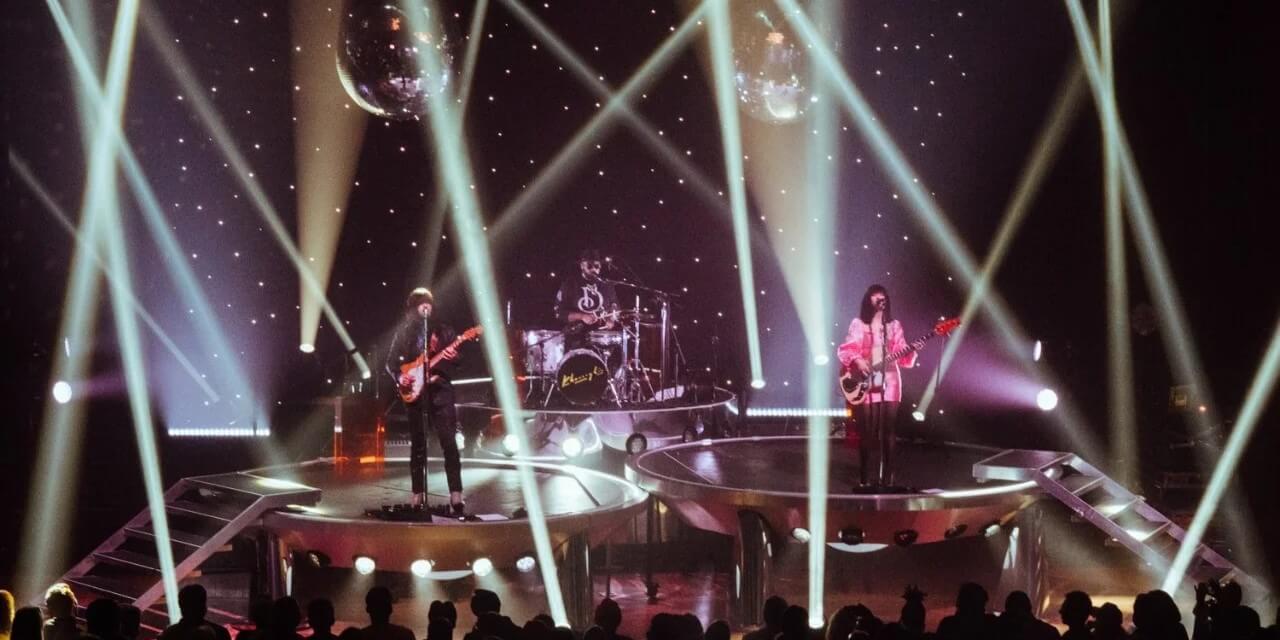
Beam moving heads create extremely narrow and high-intensity light shafts designed for dramatic aerial effects. These fixtures usually feature very tight beam angles—often between 0° and 5°—and high-precision optical systems that concentrate light into a powerful column capable of traveling long distances. When combined with haze or fog, the beams become clearly visible in the air, forming striking light structures above the stage.
Because of their strong projection and visual intensity, beam lights are widely used in EDM festivals, large concerts, nightclubs, and outdoor celebrations where lighting designers want dynamic movement and strong visual impact. In touring productions, they are often used as “light pencils” in the sky, shaping the stage space and adding depth to the overall lighting design.
These fixtures are best suited for large-scale productions, touring shows, and designers who prioritize strong aerial lighting effects.
A typical example is the Betopper LB295 beam moving head, which uses a narrow beam optical system designed for long-distance projection in concerts and large event environments.

2. Wash Moving Head Lights
Wash moving heads are designed to spread light evenly across a wide area rather than producing sharp beams. With beam angles typically ranging from 10° to 60°, they deliver soft and uniform illumination that can cover large portions of a stage or background. Most wash fixtures use advanced color-mixing systems such as CMY or RGBW, allowing smooth transitions between colors and subtle lighting atmospheres.
Because of their balanced and comfortable lighting, wash moving heads are commonly used in theater productions, corporate events, television studios, weddings, and church stages. They are often used to illuminate performers, fill stage backgrounds with color, or support front lighting in dramatic productions.
Wash fixtures are ideal for lighting designers and event companies who need consistent color coverage and soft stage illumination.
For example, the Betopper LM1915R wash moving head combines wide zoom coverage with RGBW color mixing, making it suitable for stage washes and background lighting effects.

3. Profile / Spot Moving Head Lights
Profile or spot moving heads focus on projection, detail, and precision control. These fixtures are equipped with high-quality optics that allow them to project sharp patterns, textures, or logos onto a stage or surface. They typically include rotating or fixed gobo wheels, focus control, and iris systems, and many profile fixtures also feature framing shutters that allow designers to shape and cut the beam precisely.
Because of this level of control, profile and spot moving heads are widely used in theater, opera, concerts, television productions, and corporate presentations. Designers often use them to highlight performers, project branding elements, or add visual storytelling to a stage environment. In theme parks or cultural shows, they may also project animated patterns onto buildings or scenic elements.
These fixtures are best suited for lighting designers who require precision projection, visual textures, or detailed beam control.
4. Hybrid Moving Head Lights
Hybrid moving heads combine multiple lighting functions in a single fixture. Many hybrid lights can switch between beam, spot, and sometimes wash effects, depending on the optical configuration. This versatility allows a single fixture to perform multiple roles within a lighting system.
Because of their flexibility, hybrid fixtures are particularly popular in touring productions, rental companies, and multipurpose venues where lighting setups need to adapt quickly to different types of events. Instead of carrying several specialized fixtures, production teams can rely on hybrid lights to deliver a range of effects—from narrow beams to projected patterns or wider coverage.
Hybrid moving heads are ideal for touring crews, rental companies, and event providers who need maximum versatility and efficient equipment usage.
5. Effect Moving Head Lights
Effect moving head lights focus on dynamic visual effects rather than traditional stage illumination. These fixtures often feature pixel mapping systems, multi-beam optics, LED matrices, or strobe capabilities, allowing designers to create fast-moving lighting patterns and rhythmic visual sequences.
Instead of simply lighting a stage, effect fixtures add energy and motion to the overall lighting design. They are commonly used in nightclubs, DJ performances, EDM shows, and large concert productions where lighting plays a major role in shaping the atmosphere and audience experience.
Effect moving heads are best suited for DJ setups, music festivals, and productions where lighting effects are an important part of the show’s visual identity.
One example is the Betopper LF350 matrix strobe moving head, which combines pixel effects with moving-head motion to create dynamic lighting patterns for DJ stages and club environments.

How to Choose the Right Moving Head Light: A 7-Step Decision Framework
Now that you know the difference between beam, wash, spot, and hybrid fixtures, the real question is: Which one actually belongs in your rig?
Spec sheets all look impressive online. But the fixture that sells well on paper often fails on site—because it's too loud, too dim at distance, or simply built for a different job than yours.
Here's a seven-step framework used by production professionals to cut through the marketing and choose lights that actually deliver.
Step 1: Define Your Primary Application
Don't ask "which light is best?" Ask "best for what?"
The same fixture that crushes it in a nightclub will feel completely wrong in a theater—not because it's broken, but because it was designed for a different visual language.
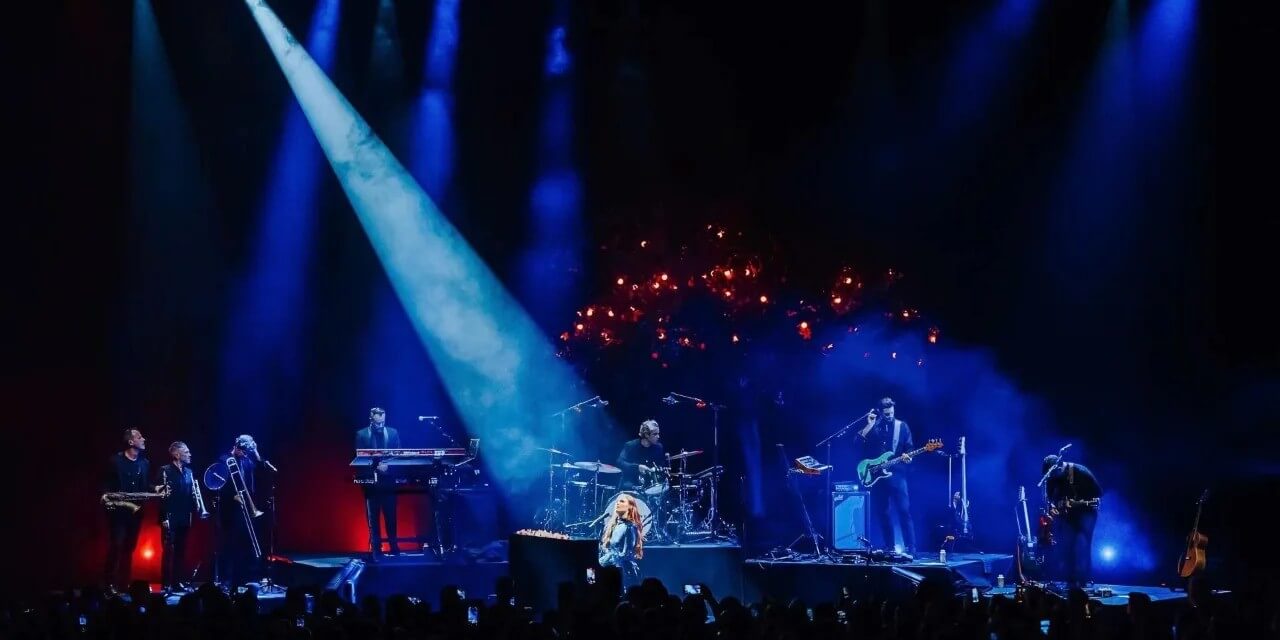
- Concerts & festivals prioritize beam effects, speed, and intensity. If the light doesn't cut through haze from 30 meters, it's useless.
- Theater & corporate events need precision, silence, and framing control. A noisy fan during a quiet monologue is a disaster.
- Weddings & banquets require smooth color washes and reliable operation—nobody is there to watch light beams.
- TV & broadcast demand flicker-free operation at high frame rates. Not all LEDs are created equal here.
The trap: Buying a "versatile" fixture that does everything okay but nothing great. Versatility has a price, and that price is usually compromise.
Step 2: Understand the Installation Environment
The difference between "installed" and "abused."
A light that lives on a truss in a club for five years has a very different life than one that gets packed, trucked, and rigged 200 times a year.
For touring and rental:
- Build quality matters more than features.
- Look at the clamps. Look at the connectors. Look at how easy it is to replace a bent pin or a scratched lens.
- Rental houses don't buy fragile lights—they buy what survives.
For fixed installation:
- Fan noise is the hidden killer. That 40dB fan spec looks fine on paper, but in a quiet theater or church, you'll hear it every time the lights dim.
- Some venues require silent operation even if it means less output. Know yours before you buy.
Step 3: Set a Realistic Budget
The purchase price is a down payment, not the full cost.
A $500 light that burns through lamps every 300 hours and pulls 800W will cost you more in three years than a $1,200 LED fixture that runs for 50,000 hours on 200W.
What rental companies know that beginners don't:
- Labor costs to replace a failed fixture mid-show dwarf the fixture price.
- Spare parts availability matters more than the warranty length.
- A light that's down for three weeks waiting on a motherboard is a liability, not an asset.
Rule of thumb: Calculate Total Cost of Ownership—purchase + power + lamps + maintenance—before you compare price tags.
Step 4: Match the Required Light Output
Stop looking at wattage. Start looking at lux.
Wattage tells you how much power the light consumes. Lux tells you how much light actually lands on your stage—which is the only number that matters.
- A 200W LED with precision optics can outperform a 350W fixture with cheap lenses.
- If you're lighting a 20-meter throw, beam angle matters more than raw lumens.
- Photometric data (lux at 5m, 10m, 20m) separates serious manufacturers from everyone else.
The test: If a vendor can't provide photometric files (IES or LDT), they're not selling to professionals.


Leave a comment
This site is protected by hCaptcha and the hCaptcha Privacy Policy and Terms of Service apply.