
Introduction
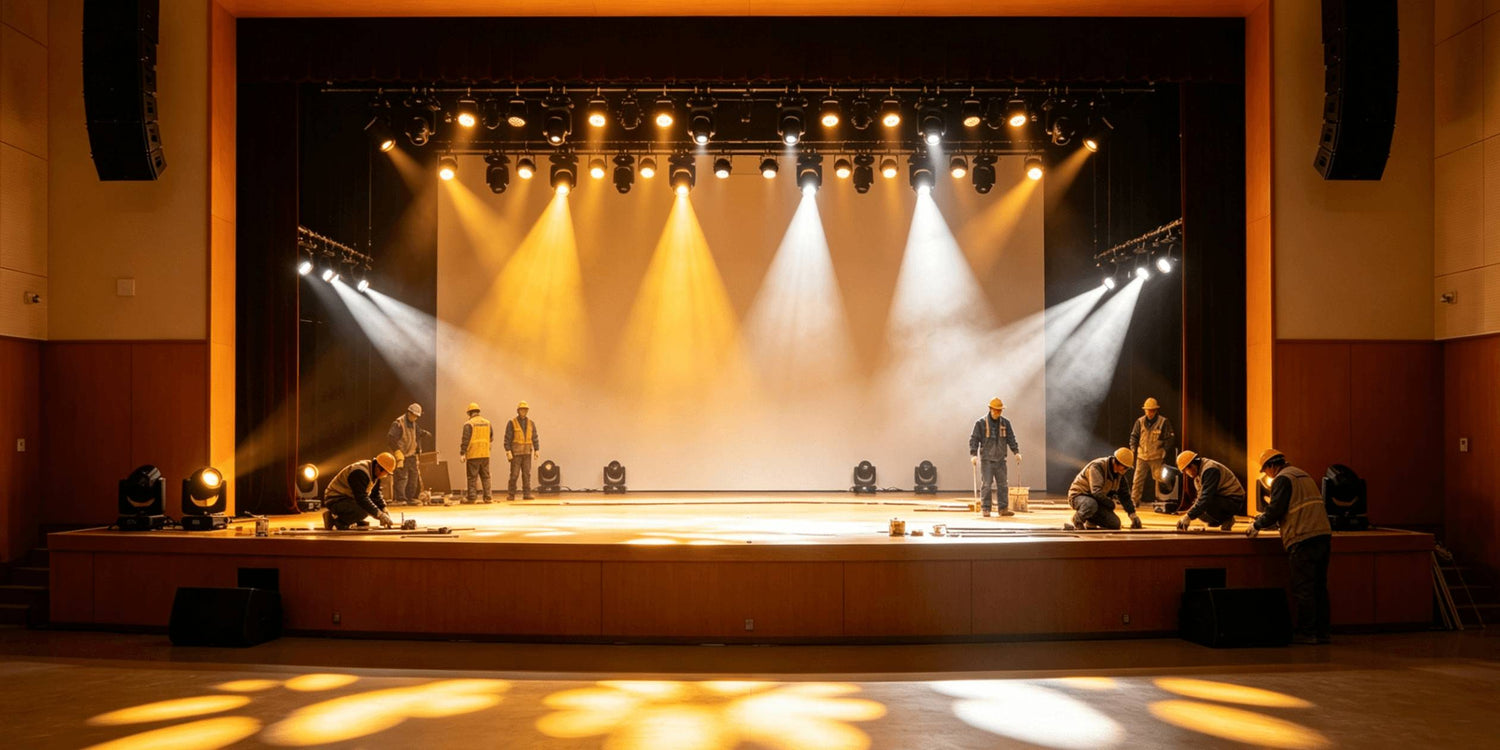
If you are responsible for a school auditorium or community hall, your lighting system has to do more than support one type of event.
The same space may be used for a morning assembly, a graduation ceremony, a student performance, a choir concert, a band showcase, a community meeting, a dance night, or a weekend rental event.
That means the lighting setup needs to be practical, not just impressive. It should be clear enough for speeches, flexible enough for performances, simple enough for different people to operate, and expandable enough for special events.
This guide explains how to plan a long-term indoor lighting system for multipurpose spaces without overcomplicating the setup.

Think About the Events You Host Most Often
Before choosing fixtures, start with the events your space actually hosts.
A school auditorium that mainly handles assemblies, awards, and student performances will need a different lighting plan from a community hall that often hosts parties, rentals, and dance events.
Make a simple list of your most common event types:
| Event Type | What the Lighting Needs to Do |
|---|---|
| Assemblies and speeches | Make faces and presenters clearly visible |
| Graduations and awards | Look formal, balanced, and camera-friendly |
| Drama or theater | Cover the stage and support different scenes |
| Choir or band | Light performers while creating some atmosphere |
| Community meetings | Stay clean, comfortable, and non-distracting |
| Dances and celebrations | Add color, movement, and energy |
| Rental events | Be flexible, easy to reset, and durable |
The best lighting system is not always the biggest one. It is the one that works well for the events you hold most often.
Build a Reliable Everyday Lighting Setup First
For most schools and community venues, the first goal is simple: people on stage need to be seen clearly.
This does not mean the room has to look plain. It means the basic lighting should be reliable before adding special effects.
A practical everyday setup usually includes:
- Front light for speakers, presenters, and faces
- Stage wash for general stage coverage
- Soft back or side light to add depth
- Basic color wash for events that need atmosphere
This base setup should work for assemblies, meetings, speeches, awards, small performances, and most school or community activities.
Once the daily lighting is reliable, you can add more flexible lights for music events, dances, celebrations, or rentals. This creates a system that is useful every week, not just for one special event.
Add Flexible Lights for Performances and Events
After the basic setup is in place, you can add lights that make the room more flexible.
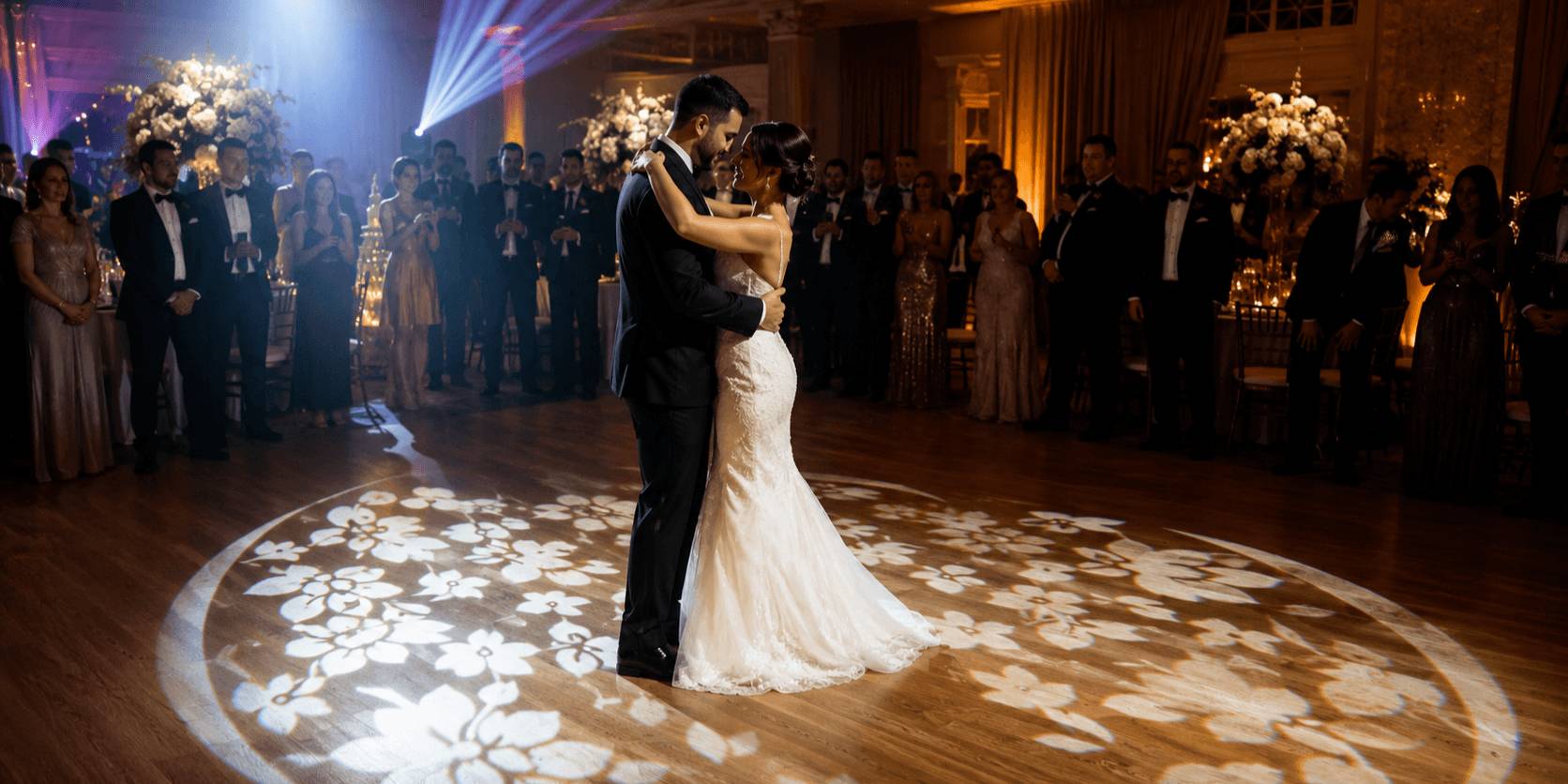
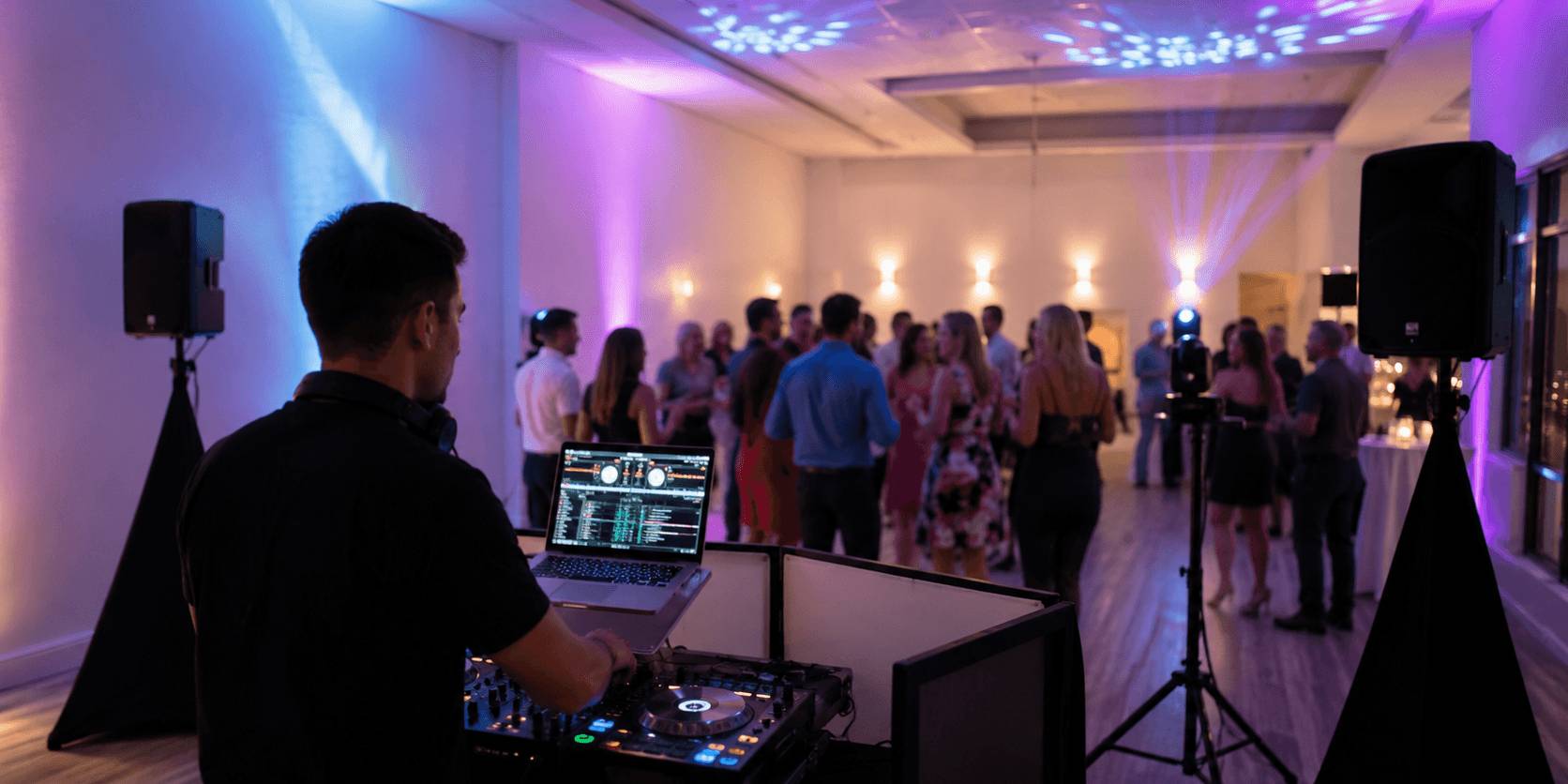
For performances, you may want more stage color, backlight, or side lighting. For music events or school dances, you may want moving heads, beams, wash effects, or strobes. For community rentals, you may want portable lights that can be placed differently depending on the event.
The key is to match the light to the job.
| Lighting Need | Useful Fixture Type |
|---|---|
| General stage coverage | PAR, COB, or LED wash lights |
| Stage color | RGBW / RGBWA wash lights |
| Room atmosphere | Uplights or wash moving heads |
| Performance energy | Beam moving heads |
| Special moments | Spot or hybrid moving heads |
| Dance / celebration effects | Strobe or matrix effect lights |
| Repeatable control | DMX console or saved scenes |
For example, PAR lights or COB lights can support basic stage wash. Wash moving heads can add flexible color and movement. Beam moving heads can make dances and music events more exciting. Hybrid moving heads are useful when a venue wants beam, spot, and wash-style effects from fewer fixture types.
The goal is not to buy every type of light. The goal is to choose fixtures that solve real event needs.
Decide What Should Be Fixed and What Should Stay Portable
For many school auditoriums and community halls, the most practical solution is a mix of fixed and portable lighting.
A fixed setup works well for the things you use all the time. For example, front wash and general stage wash can stay in place so staff do not have to rebuild the same setup for every event.
Portable lights are better for special events. Moving heads, uplights, effect lights, or strobes can be brought out only when needed.
| Setup Type | Best For | Why It Helps |
|---|---|---|
| Fixed front / stage wash | Daily use, speeches, performances | Fast, consistent, easy to operate |
| Fixed control position | Staff and AV team operation | Reduces confusion |
| Portable moving heads | Music, dances, rentals | Adds flexibility without changing the whole system |
| Portable PARs or uplights | Room color and atmosphere | Easy to deploy for different layouts |
| Portable effect fixtures | Celebrations and high-energy events | Used only when appropriate |
This approach keeps the daily system simple while still allowing the venue to upgrade the look for bigger events.
Keep the Control System Easy for Different Operators
A school or community hall may not always have the same person running the lights.
One event may be operated by a teacher. Another may be handled by students, volunteers, venue staff, a rental client, or a part-time technician.
That is why the control system should be easy to understand. It should not depend on one expert who is the only person able to run the system.
A practical control setup should include preset scenes such as:
| Preset Scene | Use Case |
|---|---|
| Speech / Meeting | Assemblies, talks, community meetings |
| Performance | Drama, choir, stage activity |
| Music | Band, concert, showcase |
| Event Color | Ceremonies, rentals, themed events |
| Dance | School dances, celebrations |
| Blackout | Pause, reset, or emergency use |
These presets help different users operate the system with less training. Instead of building a new look every time, staff can select the scene that matches the event.
For smaller systems, a simple DMX controller may be enough. For larger setups with moving heads, PAR lights, strobes, or multiple zones, a higher-capacity DMX console or software control may be better.
Prepare the Right Information Before Talking to a Supplier
Most schools and community venues will work with a supplier, installer, or internal technical team. Before asking for a quote, prepare the information they need.
This helps avoid vague recommendations and makes the final plan more practical.
| Information to Prepare | Why It Matters |
|---|---|
| Room size | Helps estimate coverage and brightness needs |
| Stage width and depth | Affects fixture placement and wash coverage |
| Ceiling height | Affects mounting, beam angle, and safety |
| Mounting options | Helps decide fixed vs portable setup |
| Power locations | Affects cable routing and power planning |
| Common event types | Helps define preset scenes and fixture roles |
| Operator skill level | Helps choose a suitable controller |
| Storage space | Affects portable fixture planning |
| Budget range | Helps prioritize what matters first |
| Future expansion plans | Prevents buying a system that is hard to upgrade |
A good supplier discussion should not only be about which light is brightest. It should also cover operation, safety, control, maintenance, storage, and future upgrades.
Plan for Safety, Storage and Maintenance
Lighting systems in schools and community halls are often used by different people over a long period of time. That makes safety and maintenance important.
Before finalizing a setup, consider:
- Are the fixtures mounted securely?
- Are safety cables used where needed?
- Are stands and clamps rated for the fixture weight?
- Are cables routed away from audience walkways?
- Can staff access the control system safely?
- Is there enough ventilation around the lights?
- Where will portable fixtures be stored?
- Who will clean lenses, vents, and housings?
- Is there a simple maintenance log?
A system that is hard to access, clean, store, or inspect will become harder to manage over time.
For portable fixtures, use labeled cases, cable bags, and checklists. For fixed fixtures, make sure there is a plan for periodic cleaning and inspection.
Example Setup Directions for Different Venue Needs
There is no single setup that fits every school or community hall. But most venues fall into one of these practical directions.
| Setup Direction | Best For | System Logic |
|---|---|---|
| Core Presentation Setup | Speeches, assemblies, meetings | Fixed wash + simple control scenes |
| Performance-Ready Setup | Drama, choir, music | Stage wash + back/side light + performance presets |
| Event-Ready Setup | Dances, rentals, celebrations | Core wash + portable moving heads and effects |
| Hybrid Multipurpose Setup | Most schools and community halls | Fixed daily lighting + portable event upgrades |
A core presentation setup keeps the room ready for daily use. A performance-ready setup supports students, musicians, and stage activity. An event-ready setup adds visual energy for dances or rentals. A hybrid setup is often the best long-term option because it keeps everyday operation simple while allowing special events to look more exciting.
Common Planning Mistakes to Avoid
When planning lighting for a multipurpose hall, avoid these mistakes:
- Designing the system around only one event type
- Choosing fixtures before checking mounting and power options
- Making the system too dependent on one expert operator
- Forgetting storage for portable fixtures
- Buying lights without planning control scenes
- Ignoring cable paths and audience safety
- Not leaving room for future upgrades
- Overcomplicating the system for everyday use
Most problems happen when the system is planned around equipment first instead of real venue use.
Final Advice: Plan for Real Use, Not Just First Installation
A good multipurpose lighting system should support the events your venue hosts most often. It should be easy to operate, safe to maintain, and flexible enough to grow with future needs.
Start with reliable everyday lighting. Add flexible fixtures for performances and events. Keep the control system simple. Prepare good information before talking to suppliers or installers. Plan for storage, maintenance, and future upgrades from the beginning.
The best system is not the one with the most fixtures. It is the one your school or community venue can use confidently again and again.
If you are planning lighting for a school auditorium or community hall, it helps to review room size, event types, fixture roles, control needs, and upgrade plans before buying.
Betopper’s Free Lighting Solution Service can help compare practical setup options:

Dejar un comentario
Todos los comentarios se revisan antes de su publicación.
Este sitio está protegido por hCaptcha y se aplican la Política de privacidad de hCaptcha y los Términos del servicio.