


Introduction
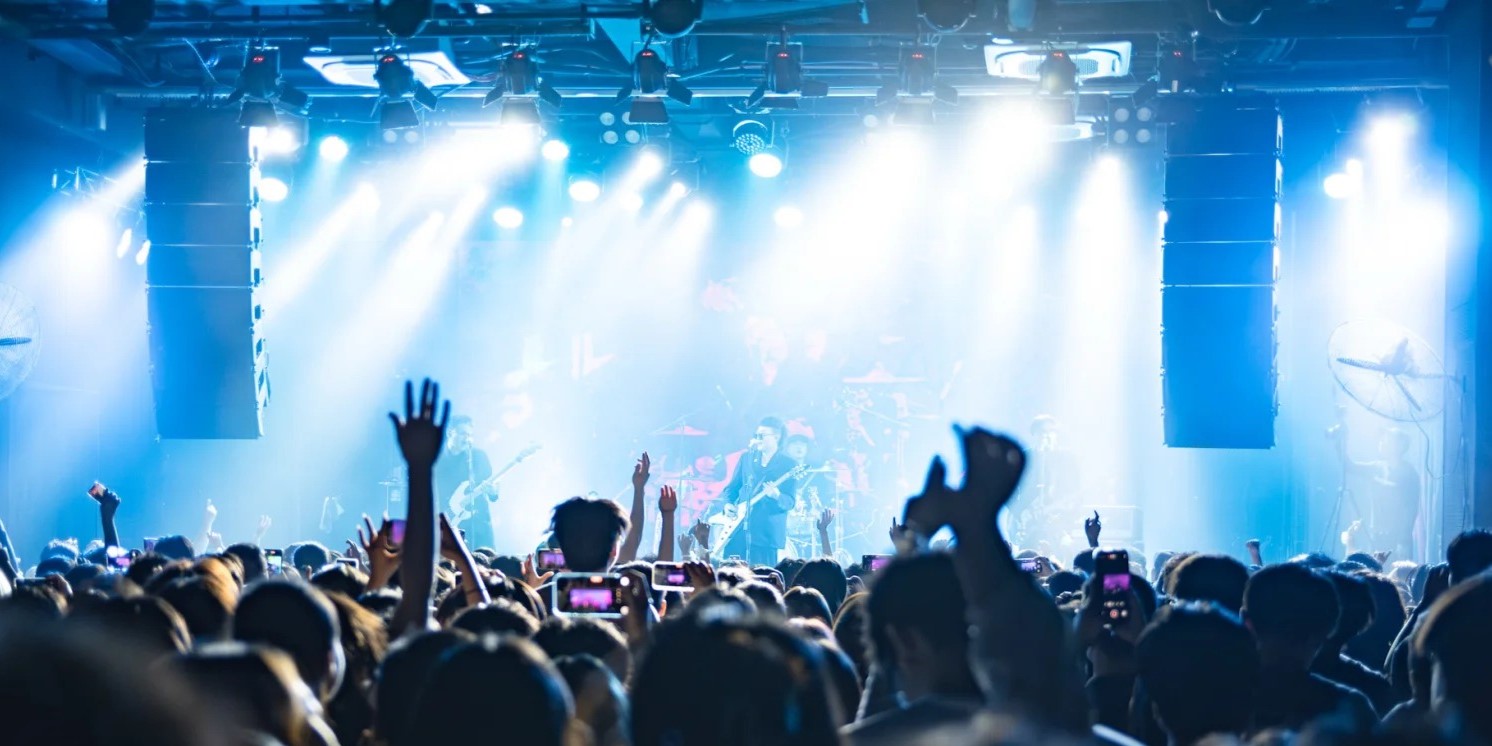
Strobe lights can make a stage feel huge — but only when they are used with control.
That is the difference between amateur use and professional DJ use. Beginners often leave strobes running too long or treat them like a constant effect. Pro DJs use them much more selectively. Short bursts, the right speed at the right musical moment, and strong contrast with darkness are what make a strobe hit harder and make the whole stage feel bigger. Working DJs and lighting users regularly describe strobes as most effective when used in quick, intentional hits rather than continuously, because constant flashing quickly becomes tiring and loses impact.
Strobes also change the way a crowd feels the room. At slower speeds, they can create tension or a suspended-time effect. At faster speeds, they can make drops feel chaotic, explosive, and much larger than the actual rig. Placement matters too: high angles, backlight, and side positions usually create more stage size and atmosphere than simply aiming the strobe straight into the audience. Safety and audience tolerance matter as well, especially in festival and club environments where overuse can quickly turn impact into fatigue.
This guide focuses on five strobe techniques pro DJs use most often to create bigger stage impact without making the effect feel cheap, repetitive, or overwhelming.

1. Use Strobes in Short Bursts, Not All the Time
The easiest way to make a strobe look amateur is to leave it running too long.
A strobe works best as a hit, not a background layer. When it appears briefly, it resets the audience’s attention and makes the next musical moment feel bigger. When it stays on for too long, the crowd adapts to it, and the effect loses its power.
That is why pro DJs usually fire strobes in short, intentional bursts — on the drop, at the end of a build, or during a sharp transition. A one-second hit can feel massive. A long flashing sequence often just feels repetitive.
If the audience has already gotten used to the effect, the strobe has probably been on too long.
2. Match the Strobe Speed to the Musical Moment
Different speeds create different feelings.
A slower strobe can build tension and make the room feel suspended for a second. A medium-speed strobe adds movement and rhythm. A fast strobe feels chaotic, aggressive, and explosive, which is why it works so well on drops and impact moments.
A practical way to think about it is:
- slow for build-ups and suspense
- medium for groove and drive
- fast for drops, climaxes, and shock moments
This is one reason pro DJs rarely stay on one strobe speed for the whole set. They treat speed like part of the performance. When the rate matches the track, the effect feels musical. When it does not, it just feels random.
3. Use Darkness to Make the Flash Feel Bigger
A strobe always feels stronger when it arrives out of contrast.
If the stage is already bright and busy, the flash has less room to make an impression. But if the look strips back first — a darker cue, a brief blackout, a reduced wash — the next strobe hit suddenly feels much larger.
This is why strobes are so effective around fake drops, break sections, and recovery moments after darkness. The eye resets in the dark, and the flash lands harder.
A big strobe moment is often created by what happens before the flash, not just by the flash itself.
4. Position Strobes to Expand the Stage, Not Just Blind the Crowd
Placement changes the entire effect.
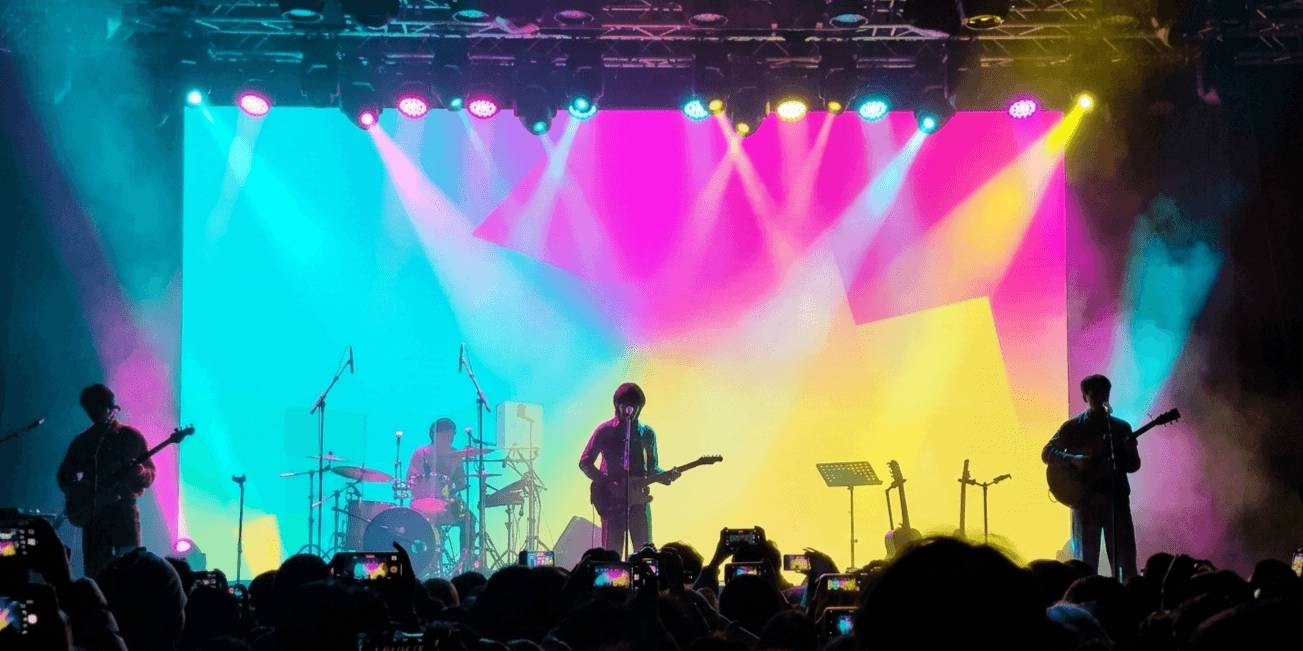
A strobe aimed straight into the audience from eye level can feel harsh without actually making the stage feel bigger. It creates brightness, but not always scale. Strobes usually feel more impressive when they come from above, behind, or across the space.
The most useful positions are often:
- overhead, to reveal the whole room
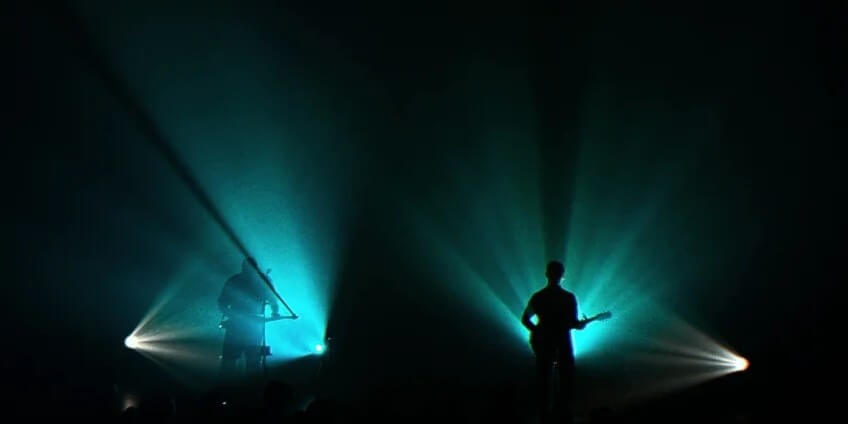
- behind the DJ, to create silhouette and drama
- side positions, to add width and movement
This is especially effective when haze is present, because the flash briefly gives shape to the air and makes the room feel deeper and wider.
The goal is not just to hit the crowd with light. The goal is to make the whole stage picture feel larger.
5. Know When to Stop
This is where many DJs lose the effect.
Strobes are powerful because they are disruptive. But once they are overused, they stop feeling exciting and start feeling expected. Then the impact is gone.
Good DJs understand that restraint is part of the technique. Not every drop needs a strobe. Not every loud moment needs the same attack. The less often the effect appears, the more weight it carries when it does.
There is also a real audience-comfort issue. Heavy strobing can become tiring, disorienting, and unpleasant very quickly. In some environments, it can also create safety concerns for sensitive viewers. That is why professional use is not just about intensity — it is also about control.
A strong strobe user is not the DJ who flashes the most. It is the DJ who makes every flash count.
Final Thoughts – Bigger Impact Comes from Better Timing
Pro DJs do not make strobes feel bigger by using more of them. They do it with timing, contrast, speed control, smart placement, and restraint.
Used well, a strobe can make a small stage feel larger, a drop feel heavier, and a room feel more alive. Used badly, it just becomes noise.
Looking to create bigger impact in your own setup? Explore the Betopper website to find DJ lighting solutions built for clubs, mobile events, and live performance.

Leave a comment
This site is protected by hCaptcha and the hCaptcha Privacy Policy and Terms of Service apply.