


Introduction
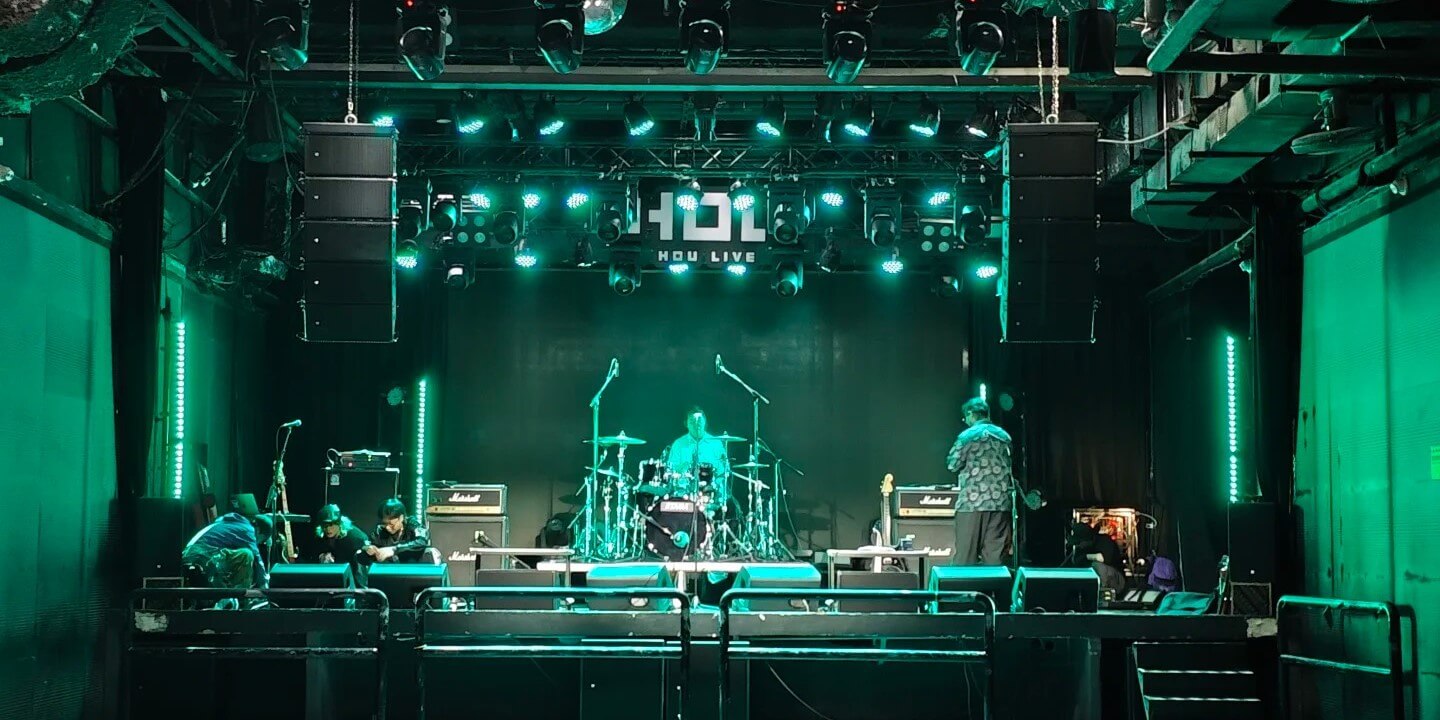
Last year, we replaced eight moving heads for a mid-sized event venue that hosts weddings on Fridays and club nights on Saturdays.
The problem wasn’t brightness. On paper, the old fixtures were “powerful enough.”
The problem was consistency.
Two units lost focus after 40 minutes.
One overheated during a corporate show.
Another developed pan drift after three months of weekly use.
The venue owner wasn’t asking for “more features.”
He asked one question:
“If I buy new ones, will they still perform the same six months from now?”
That’s the real issue most buyers face in 2026.
Spec sheets look similar. Prices vary. Marketing promises everything.
But once fixtures start running 4–6 hours per night, differences show up fast — in beam density, thermal stability, motor precision, and long-term reliability.
Over the past year, we’ve tested multiple moving heads in exactly these kinds of mixed-use environments — weddings, bar gigs, small corporate events, and weekend club nights. The five models featured here are not the only capable fixtures in the lineup, but they are the ones that consistently delivered stable performance across high-frequency, real-world use.
If you’re investing budget and need equipment that earns its keep, this is where you start.
What Makes a Moving Head “Proven” in Real-World Use?
“Proven” doesn’t mean the brightest.
It doesn’t mean the most features.
And it definitely doesn’t mean the newest release.
In working environments — especially high-frequency mixed gigs like weddings, bar shows, and weekend events — a moving head earns its reputation differently.
Here’s what we look for when we say a fixture is proven:
1. Consistency Under Long Runtime
A light that performs well for 10 minutes in a demo is easy.
A light that maintains output, focus, and motor accuracy after 4–6 hours of continuous use is different.
Thermal stability matters. If brightness drops or movement slows down as the fixture heats up, that’s not professional reliability.
2. Stability After Transport
Frequent load-ins are where many fixtures fail.
A proven moving head should maintain beam alignment and pan/tilt calibration even after repeated transport and setup.
Minor drift over time is normal. Rapid degradation is not.
3. Predictable Optical Performance
Beam density, edge sharpness, and color consistency should look the same from gig to gig. If haze conditions change slightly, a solid fixture still maintains presence without looking washed out.
4. Low Maintenance Interruptions
Fans shouldn’t rattle after a few months.
Internal components shouldn’t require constant adjustment.
And routine cleaning should be straightforward.
5. Control Reliability
Whether running simplified DMX modes for quick setups or full channel control for programmed shows, a proven fixture responds accurately and resets correctly every time.
When a moving head checks these boxes over months of real use — not just controlled tests — that’s when we consider it proven.
With that standard in mind, let’s look at the first model and who it’s actually built for.
1) Best Pixel & Energy Layer for Mixed-Use Gigs
Betopper LF350 Matrix Strobe Effect Moving Head Light

Earlier, we defined “proven” as runtime stability, transport resilience, optical consistency, low maintenance, and reliable control.
The LF350 earns its place not as a primary fixture, but as an energy layer that survives high-frequency mixed gigs — especially for teams working out of vans with tight turnaround schedules.
Real-World Example
Earlier this year, a small DJ production team added two LF350 units to a mid-sized bar that shifts from dinner service to dance programming every weekend.
They originally tested a traditional wash head for the same position. It filled space, but it didn’t create motion. They considered adding another beam fixture, but ceiling height (under 4 meters) made aggressive beam angles uncomfortable for guests.
They chose the LF350 because:
- It added visible motion without blinding intensity
- Pixel zoning allowed directional movement instead of random flashing
- Setup time stayed under 15 minutes per fixture (mount, power, DMX, ready)
For mobile DJs, that matters.
In 38CH mode, they programmed simple chase sweeps during build-ups and short white bursts on drops. No complex console work required.
Over three months of weekly load-ins:
- No re-alignment needed after transport
- No overheating during 4–5 hour runs
- No support calls
- No mid-show resets
More importantly, they didn’t need to add extra fixtures. Two LF350 units replaced what would have been four standard strobes — reducing weight, cable runs, and setup time.
Why It Works
From our testing perspective, the LF350 delivers value in two ways.
For DJs who don’t run complex consoles, the built-in effect combinations allow dynamic chases and drops without detailed programming. In practice, we’ve found that a handful of the preloaded sweeps and pulse effects are enough to build an energetic show quickly.
For teams using DMX control, pixel zoning unlocks directional movement and layered motion — adding depth rather than just brightness.
In smaller venues, this often translates into:
- Stronger perceived production value
- Fewer fixtures required
- Faster setup and teardown
Best For
- DJs relying on auto or sound modes
- Small clubs adding layered motion
- Event teams needing impact without expanding the rig
2) Best One-Fixture Solution for Mixed Gigs
Betopper LM0740 7x40w Wash Moving Head Stage Light

If your calendar looks like “wedding Friday, bar night Saturday, small corporate event next week,” the hardest part isn’t finding a light that’s bright — it’s finding one that can switch roles without switching your rig.
LM0740 is built for that exact mixed workload: a moving head that can open up into a clean wash for weddings, then tighten into a more energetic look for nightlife — without adding a second fixture type to your van.
Real-World Example
Last summer, a mobile DJ company that handles both wedding receptions and weekly bar residencies reached out to us.
Their moving heads were less than a year old — and already showing stress.
During a three-hour wedding dinner, dimming started to flicker subtly. In photos, the light looked uneven during toasts.
After weeks of van transport, pan alignment would shift just enough that every show required manual repositioning before doors opened.
They wanted to simplify their rig — but faced a familiar dilemma:
If they switched to beam heads, wedding coverage would suffer.
If they stayed with wash heads, Saturday night energy felt flat.
Their question to us was simple:
“Is there one fixture that can actually handle both jobs?”
We recommended the LM0740 — not because it was “the brightest,” but because it offered practical flexibility: motorized zoom (4.5°–45°) to move between beam-like looks and wide wash coverage, plus RGBW color control and effect modes (including kaleidoscope/windmill) to add motion without changing fixtures.
We proposed a six-unit layout with a single DMX addressing scheme so their weekly workflow became: install → quick-check → run.
Five Months Later
When we followed up after five months of regular use, their feedback was direct:
“By the end of a wedding night, the lights still look the same.”
“We haven’t had to re-zero alignment after transport.”
“Our van load list is shorter now — we only bring one type of head.”
The biggest change?
Their lighting tech said:
“Before, I was always watching the fixtures. Now I can actually watch the crowd.”
Why It Works
LM0740’s key advantage is range — not just on a spec sheet, but in what it lets you stop carrying.
- Zoom range (4.5°–45°) means you can run wide coverage for first dances, then tighten up for late-night energy without moving truss positions.
- Output at real working distance: at around 3 meters it stays visually strong (the product data lists 25500 lux @3m), which matches many small-to-mid indoor rigs.
- CTO-style flexibility: the published color temperature range (2800K–8500K) helps teams match warm wedding ambience and cooler nightlife looks using the same fixtures.
- Control for both simple and advanced users: if you’re not programming deep, DMX and built-in modes handle the basics; if you are programming, the channel options (standard 12/18CH or pixel versions with higher channel modes) give room to expand without replacing hardware.
In plain terms: it helps mixed-gig teams reduce fixture types, shorten setup time, and lower the chance of “mid-show surprises.”
Best For
- Mobile DJs and small production teams doing mixed gigs weekly
- Weddings + bar nights where you need both wash and tighter looks
- Indoor venues where throw distance is moderate and flexibility matters most
3) Best for Long-Throw Projection in Large Indoor Venues
Betopper LB295 295w Pro Moving Head Beam Light

In banquet halls with 8–9 meter ceilings, theaters with long audience depth, or convention centers where beams must travel across wide floors, many smaller beam fixtures look impressive near the stage — but soften toward the back rows.
That’s not a brightness issue.
It’s long-throw beam integrity.
Real-World Example
Earlier this year, a multi-purpose event hall with an 8.5-meter ceiling and roughly 25 meters of audience depth contacted us.
They host:
- Corporate award ceremonies
- Large wedding banquets (400+ guests)
- Touring performance nights
Their existing compact LED beam heads looked fine near the stage truss. But from the back third of the hall, aerial lines lost sharpness — especially once haze levels fluctuated during dinner service.
They initially tried adding more fixtures to increase density.
But that created:
- Heavier truss load
- More complex power distribution
- Overlapping beam clutter without real projection improvement
Their question was direct:
“Do we need more fixtures — or stronger beams?”
Why We Recommended the LB295
We recommended upgrading projection class instead of fixture count.
The LB295’s 295W engine paired with a 150mm lens and a 2.2° narrow beam angle produces concentrated aerial lines that hold shape over longer throw distances. At 5 meters, output reaches 584,300 lux — which translates into visibly stronger beam authority in deep rooms.
But projection strength alone wasn’t enough.
They needed consistency across full-length programs.
- The upgraded 11-blade dual-bearing fan and integrated die-cast airflow system maintain thermal stability during 5–6 hour events.
- The motor system delivers fast, precise pan/tilt movement (2.2s pan / 1.2s tilt) without overshoot, important when re-aiming between different event formats.
- Noise levels remain around 50dB at 1 meter — quiet enough for conferences and formal segments.
We redesigned their rig using fewer fixtures spaced wider across the truss to create clean projection lanes rather than stacking beam density artificially.
Six Months Later
After six months of mixed event use, their feedback was practical:
- “From the back row, the beams stay defined.”
- “No drop in intensity late in the program.”
- “We reduced fixture count and actually gained impact.”
Unexpected benefit?
During concerts, they began using the dual prism system (8 prism and 8+16+24 combo) to multiply aerial lines during peak moments — creating dramatic density without increasing hardware.
Less weight overhead.
Cleaner beam geometry.
More confident programming.
The venue’s technical director summarized it this way:
“It finally looks intentional from every seat in the room.”
Why It Works in Large Indoor Spaces
LB295 is engineered for projection authority rather than wash versatility.
- 2.2° beam angle for tight aerial lines
- 7500K color temperature for haze penetration
- Dual rotating prisms for density expansion
- Motorized focus & frost for texture control
- Reinforced nylon housing and fire-resistant cooling for long-term durability
In real operational terms, it maintains beam shape and intensity across distance and runtime — which is what large rooms demand.
Best For
-
Banquet halls with ceilings above ~8 meters
-
Theaters with long audience depth
-
Convention centers and multi-purpose halls
-
Indoor installations requiring sustained long-throw projection
4) Best for Camera-Critical Events & Visual Layering
Betopper LM1915R 19x15w Wash Moving Head with Halo Ring

In wedding ballrooms, corporate galas, and formal award nights, lighting problems rarely show up as “not bright enough.”
They show up on camera.
Uneven wash.
Harsh edges on faces.
Dimming that steps under video exposure.
Backgrounds that feel flat.
That’s where refinement matters more than raw output.
Real-World Example
Earlier this year, a wedding and corporate venue hosting 70+ events annually contacted us.
Their previous wash heads technically worked. But photographers kept requesting adjustments:
- During speeches, dimming transitions showed slight stepping under video.
- Wide dance floor shots revealed subtle hotspots.
- Backgrounds behind the couple looked visually flat in photos.
They tried adding more uplights to compensate.
But that increased setup time and didn’t fully solve blending issues.
Their question:
“Can we make the stage look smoother on camera without doubling the rig?”
Why We Recommended the LM1915R
We didn’t recommend it for brightness alone.
We recommended it for refinement and flexibility.
The 19×15W RGBW configuration, combined with improved light guide optics (≈20% brightness increase, up to 3000 lumens), produces fuller wash coverage across wide floors.
The 8°–60° zoom range allowed them to:
- Run wide, even washes for first dances
- Tighten beams slightly for spotlight emphasis
- Avoid repositioning fixtures between segments
The 32-bit linear dimming system ensured smooth fades from 100% to low levels during speeches — critical for video capture.
The newly integrated LED ring added a controllable visual layer behind the stage, reducing the need for additional background fixtures.
We proposed a symmetrical four-head layout with a simple 24CH configuration for repeatable event programming.
After One Full Season
After a full wedding season (approximately six months), their feedback shifted from “fixing issues” to “not noticing issues.”
“Photographers stopped asking for changes.”
“Dimming looks clean on camera.”
“We use fewer supplemental uplights now.”
Unexpected benefit?
Because the redesigned housing reduced fixture weight, setup became easier for their smaller technical team — especially during tight turnover schedules.
The venue manager summarized it simply:
“It finally looks consistent in photos and in person.”
Why It Works in Camera-Focused Environments
LM1915R isn’t built for long-throw beam authority.
It’s built for visual quality.
- 32-bit linear dimming = smooth fade transitions
- 8°–60° zoom = flexible coverage without moving hardware
- RGBW mixing = accurate warm-to-cool tone control
- LED ring layer = background depth without extra fixtures
- Redesigned lightweight housing = easier handling and durability
In real working terms, it reduces visual correction work — before and after the event.
Best For
- Wedding venues
- Corporate galas
- Indoor ballrooms with photography/video coverage
- Teams prioritizing smooth dimming and even wash
5) Best for Adding Horizontal Structure & Dynamic Layering
Betopper L1015 10×15W RGBW Moving Beam LED Bar

Not every stage problem is about brightness.
Sometimes the issue is that everything points in one direction.
Single moving heads create vertical beams.
But when a stage lacks horizontal movement or layered geometry, the whole look feels flat.
That’s where a moving beam bar changes the picture.
Real-World Example
Earlier this year, a wedding production team running mid-sized ballroom events (ceiling height around 5–6 meters) wanted to make their dance floor looks feel more “3D” without increasing fixture count.
Their rig already included four moving heads for wash and beam looks. But visually, everything originated from isolated points.
They considered adding LED strip fixtures behind the DJ booth.
But that meant:
- Extra mounting hardware
- More power runs
- Additional programming complexity
Their question:
“Can we add horizontal motion without adding more types of fixtures?”
Why We Recommended the L1015
We suggested adding two L1015 units instead of multiple strip lights.
Because the linear 10×15W RGBW configuration creates structured horizontal beams that moving heads alone can’t produce.
More importantly:
- The fanless design meant zero audible distraction during dinner segments.
- The quasi-square lens design allowed each 15W LED to project with surprising punch at working distances (up to 17,150 lux in white at 3 meters).
- The 43CH mode allowed full pixel mapping for music-driven chases, while 13CH mode kept corporate setups simple.
We mounted them behind the DJ booth using the compact grooved clamp design, which reduced overhead spacing needs.
Four Months Later
After a full wedding season, their feedback focused on dimension rather than intensity.
“The dance floor finally looks layered.”
“We didn’t need separate strip lights anymore.”
“Programming got cleaner — we use the bar for structure, heads for movement.”
Unexpected benefit?
They reduced total fixture types in the van, simplifying load-in.
Why It Works in Low-to-Mid Ceiling Spaces
The L1015 isn’t designed for long-throw projection.
It’s designed for spatial layering.
- 10 independent beam points = horizontal geometry
- 32-bit dimming = smooth transitions
- 1–30Hz strobe = rhythmic energy
- Fanless operation = clean environments
- Compact mounting = tight ballroom grids
In practical terms, it helps small-to-mid rigs look more complex — without becoming more complicated.
Best For
- Wedding ballrooms (5–6m ceiling)
- Mobile DJ setups needing layered structure
- LED-wall backdrops requiring beam geometry
- Small-to-mid indoor stages
(FAQ)
1. What is the difference between beam, wash, and beam bar moving lights?
- Beam lights use very narrow angles (often under 3°) to create sharp aerial lines that travel long distances. Best for high ceilings and deep rooms.
- Wash lights use wider angles to cover faces, floors, and stages evenly. Best for weddings, corporate events, and camera-heavy shows.
- Beam bars (like L1015) create horizontal structure using multiple aligned LEDs, adding layered geometry rather than single-point beams.
2. How high does my ceiling need to be for a beam light?
As a rule of thumb:
- Under 5–6 meters → compact wash or hybrid fixtures are usually sufficient.
- 6–8 meters → mid-class beam or hybrid models work.
- Above 8 meters or 20m+ throw distance → a narrow 2°–3° beam (like a 295W class) is safer.
It’s about throw distance, not just ceiling height.
3. Are LED beam lights strong enough for large venues?
Small LED beams can work in medium rooms, but in venues with long throw distances, discharge-class beam engines (like 295W) maintain density better over time.
If the back row can’t see clean beam lines, you likely need higher beam class — not more fixtures.
4. What does 32-bit dimming actually mean?
32-bit linear dimming allows smoother fade transitions, especially at low brightness levels.
In real terms:
- No visible stepping during speeches
- Cleaner video capture
-
More refined ambiance control
It matters most for weddings and corporate events.
5. How long do moving head lights last?
With proper cooling and regular cleaning:
- LED-based fixtures can last several years in moderate use.
- Discharge lamps (like 295W class) require periodic lamp replacement depending on hours used.
Runtime stability and cooling design matter more than wattage.
Conclusion
If you’re evaluating an upgrade, start with your venue constraints — then explore the full specifications, beam angles, control modes, and layout options for each model at:

Leave a comment
This site is protected by hCaptcha and the hCaptcha Privacy Policy and Terms of Service apply.